Section 3 of 6
Woven Cloth
A weave is an arithmetic problem worked out on a frame. These entries cover what each kind of loom makes possible, and what has to be settled in the yarn before weaving starts.
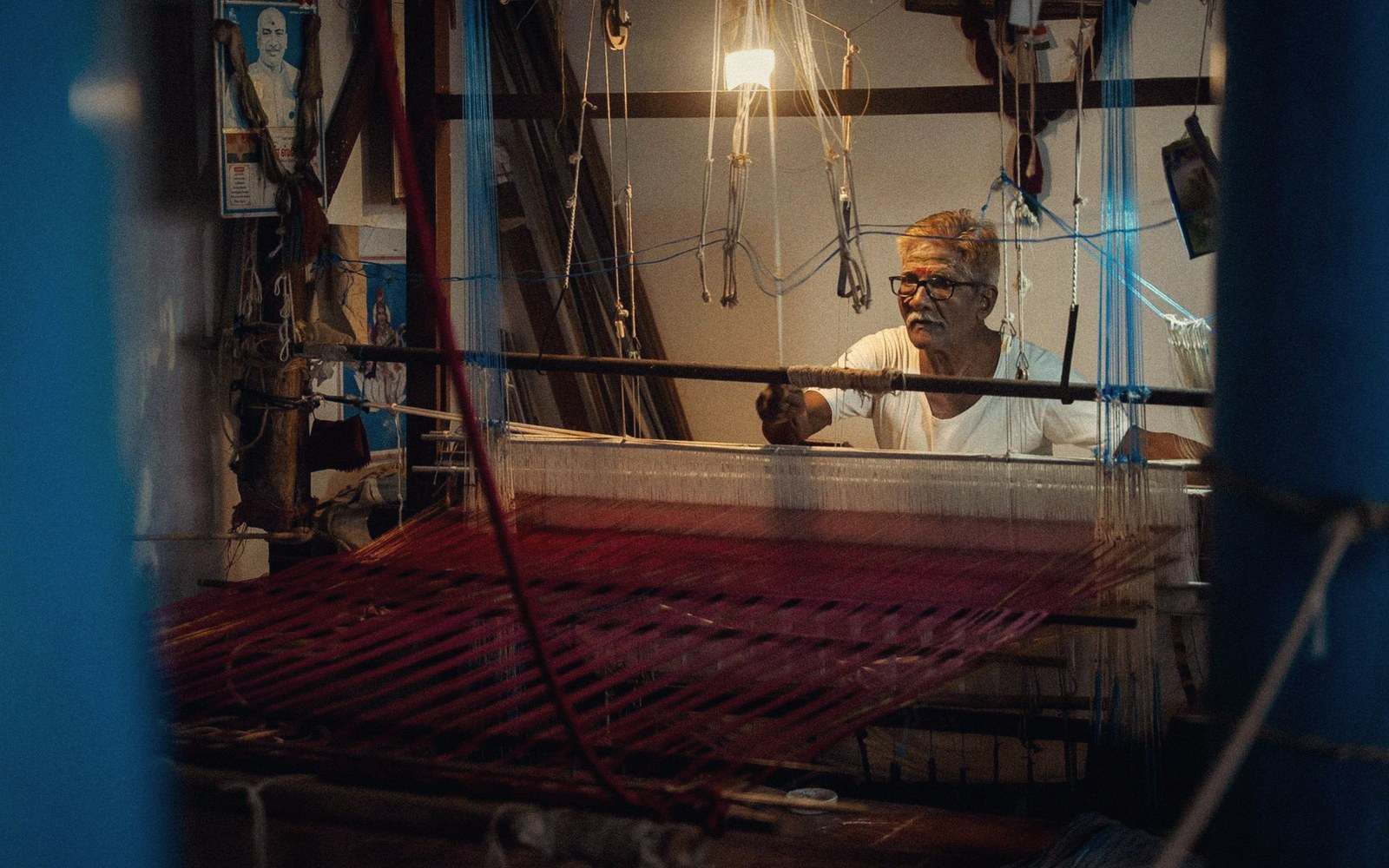
Entries in this section
5 entries-
10
BrocadeSupplementary metal thread woven in as the cloth is made, in Varanasi.
-
11
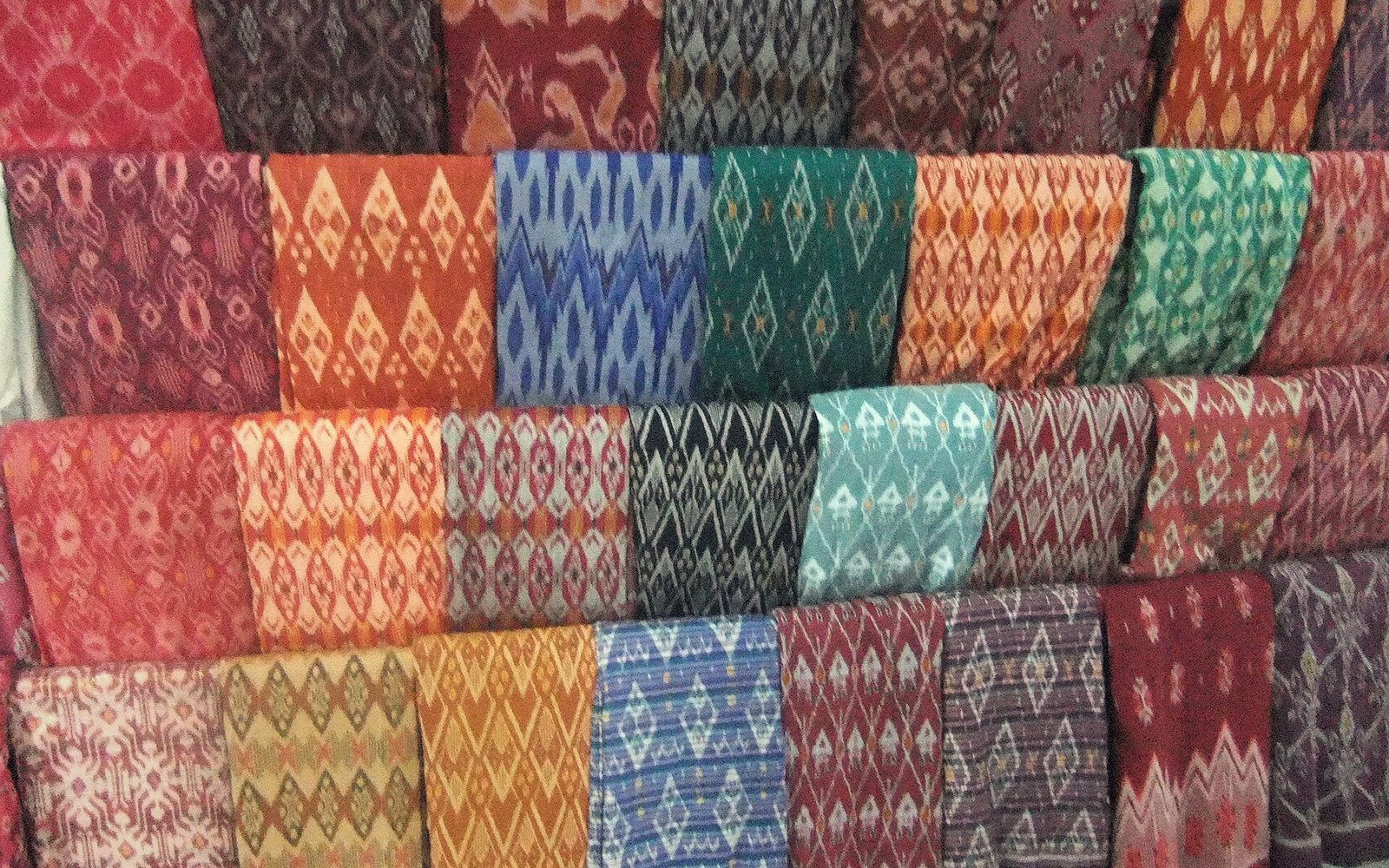 Ikat and double ikatResist-dyed in the yarn before weaving. Double ikat, as at Patan, requires both warp and weft to line up.
-
12
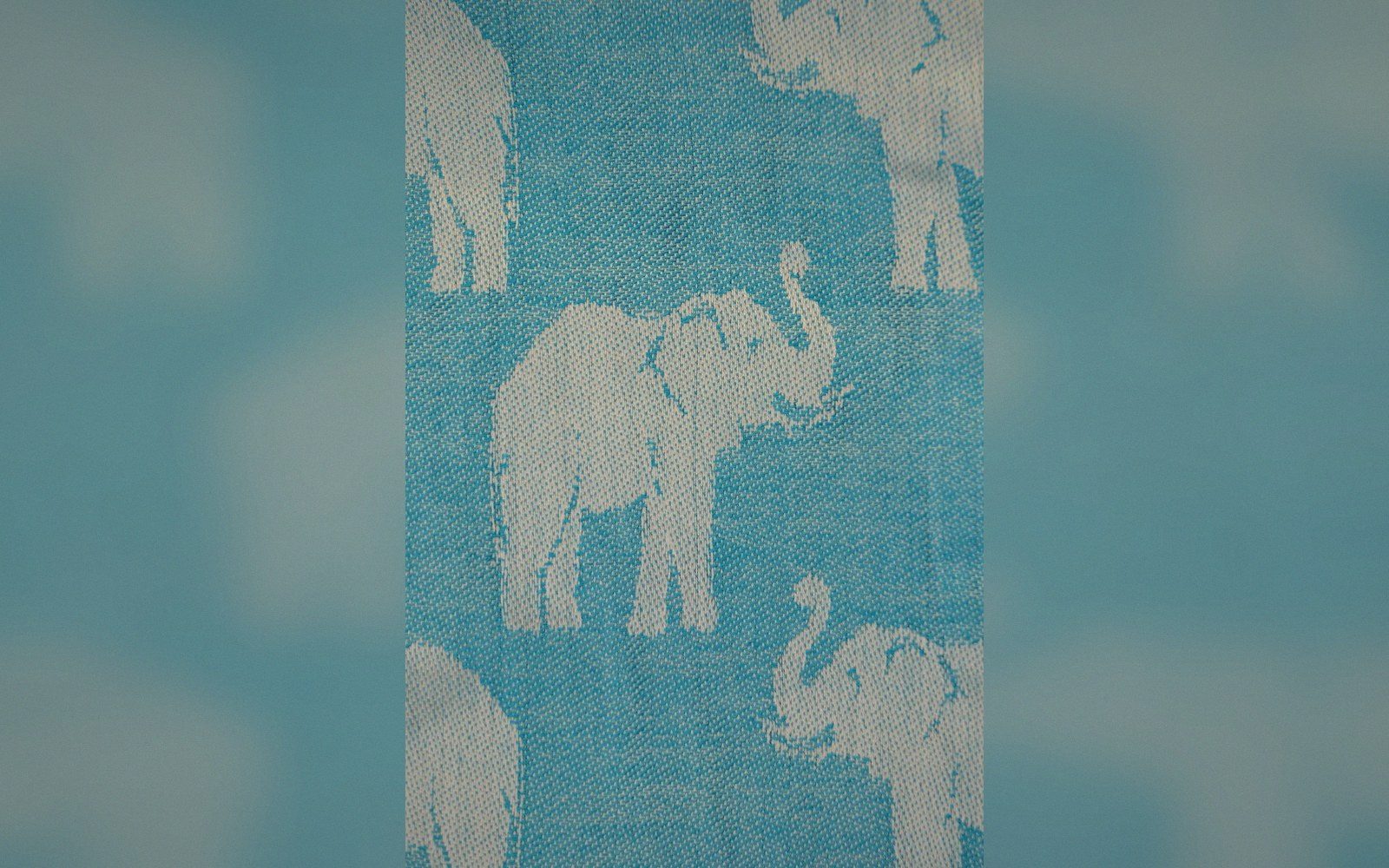 Wool and shawlPashmina from a fibre fine enough to be spun only by hand.
-
13
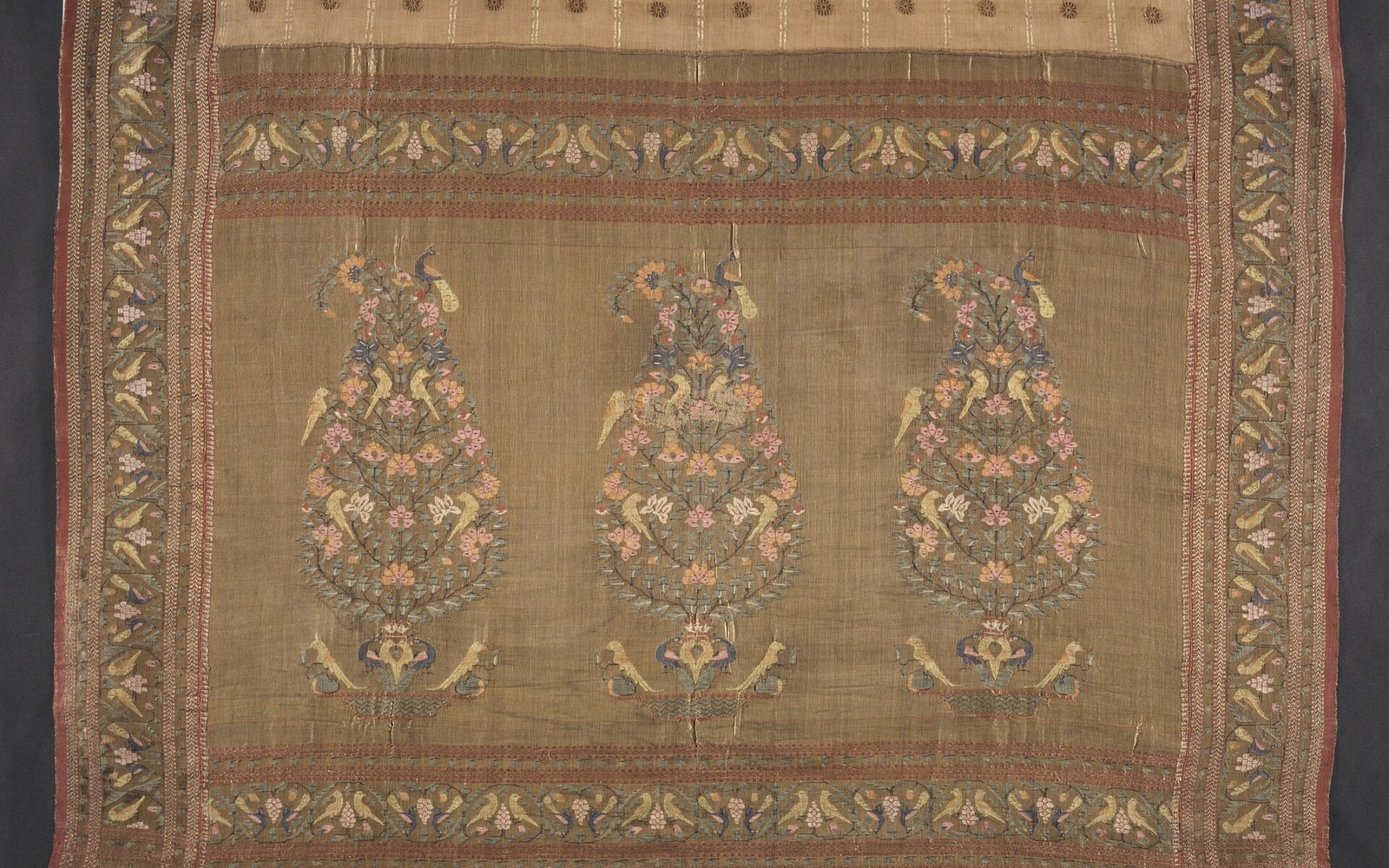 Tapestry bordersWoven separately in technique though not in cloth, as on a Paithani.
-
14
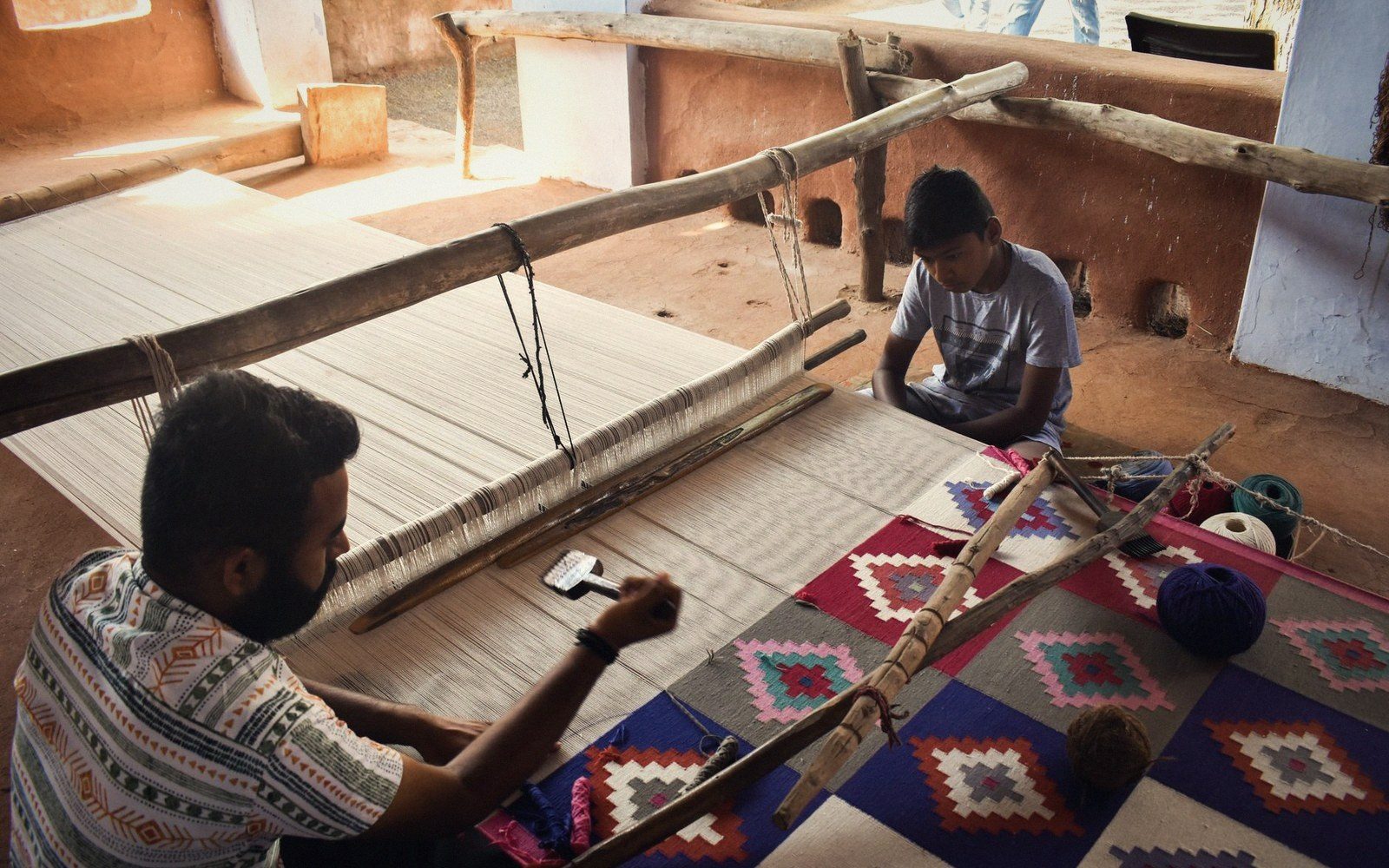 LoomsPit, frame and drawloom, and what each makes possible.
As register rows
All 25 entries| № | Tradition | Region | Worked by | Material | What holds it up, or how it is made |
|---|---|---|---|---|---|
| 10 | Brocade | Varanasi, Uttar Pradesh | Weaver families of the city | Silk, metal zari | Supplementary weft carried across a figured loom |
| 11 | Ikat and double ikat | Patan, Gujarat; Odisha; Telangana | Salvi weavers at Patan | Silk, cotton | Yarn resist-dyed before weaving; double ikat aligns warp and weft |
| 12 | Wool and shawl | Kashmir valley | Spinners and weavers of the valley | Fine goat fibre | Spun by hand to a thread no machine will take |
| 13 | Tapestry borders | Paithan, Maharashtra | Weaver families of the town | Silk, metal zari | Border and end-piece interlocked weft against weft, by hand |
| 14 | Looms | Weaving regions throughout | Weavers | Timber, bamboo, cord | Pit, frame and drawloom each set what a cloth can be |