Section 1 of 6
Water Architecture
Where the water table falls through the dry season, the building goes down to meet it. These entries treat the stair as the structure: what retains the soil, what spans the bay, and how far the descent has to go before water is reliable.
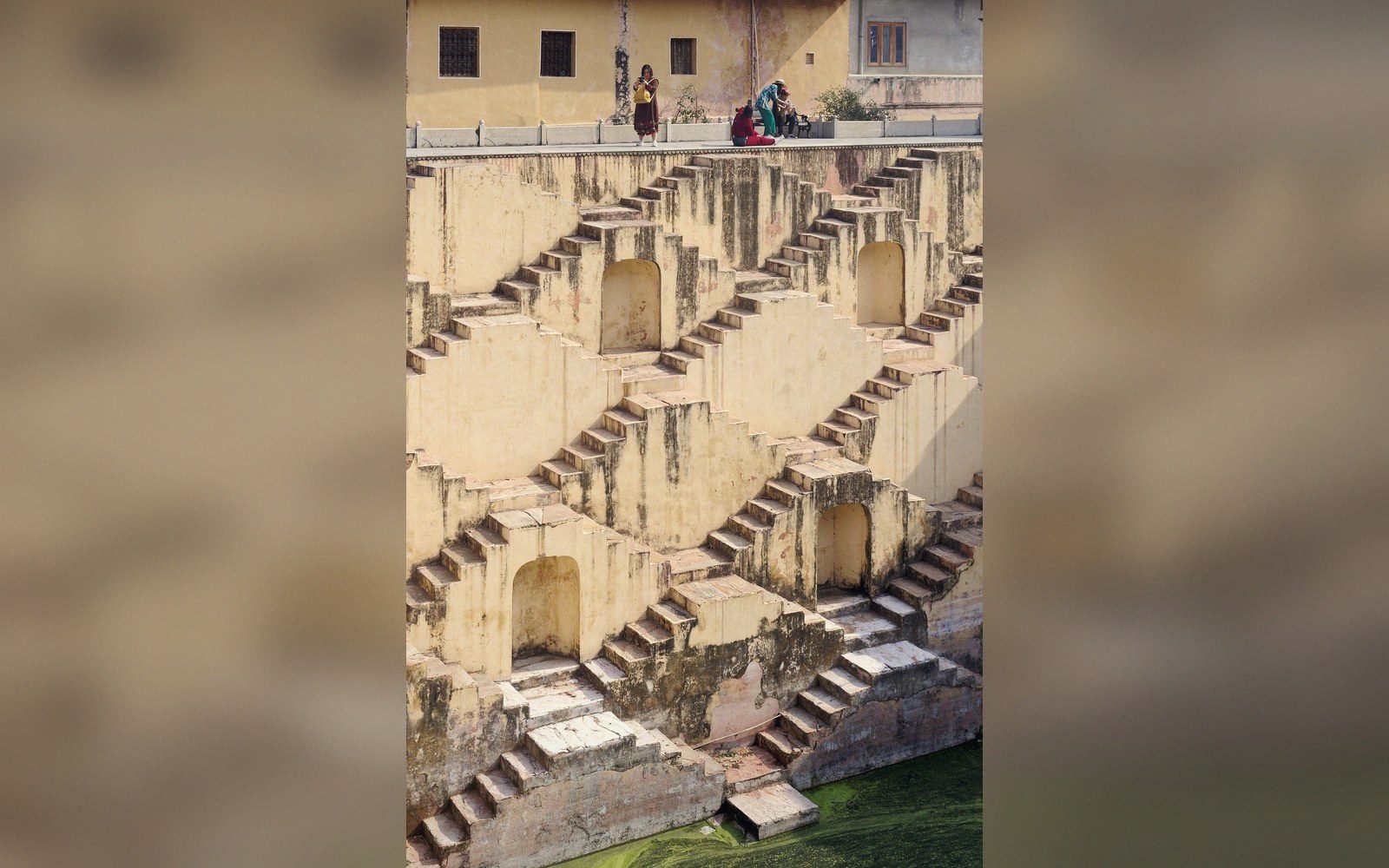
Entries in this section
4 entries-
01
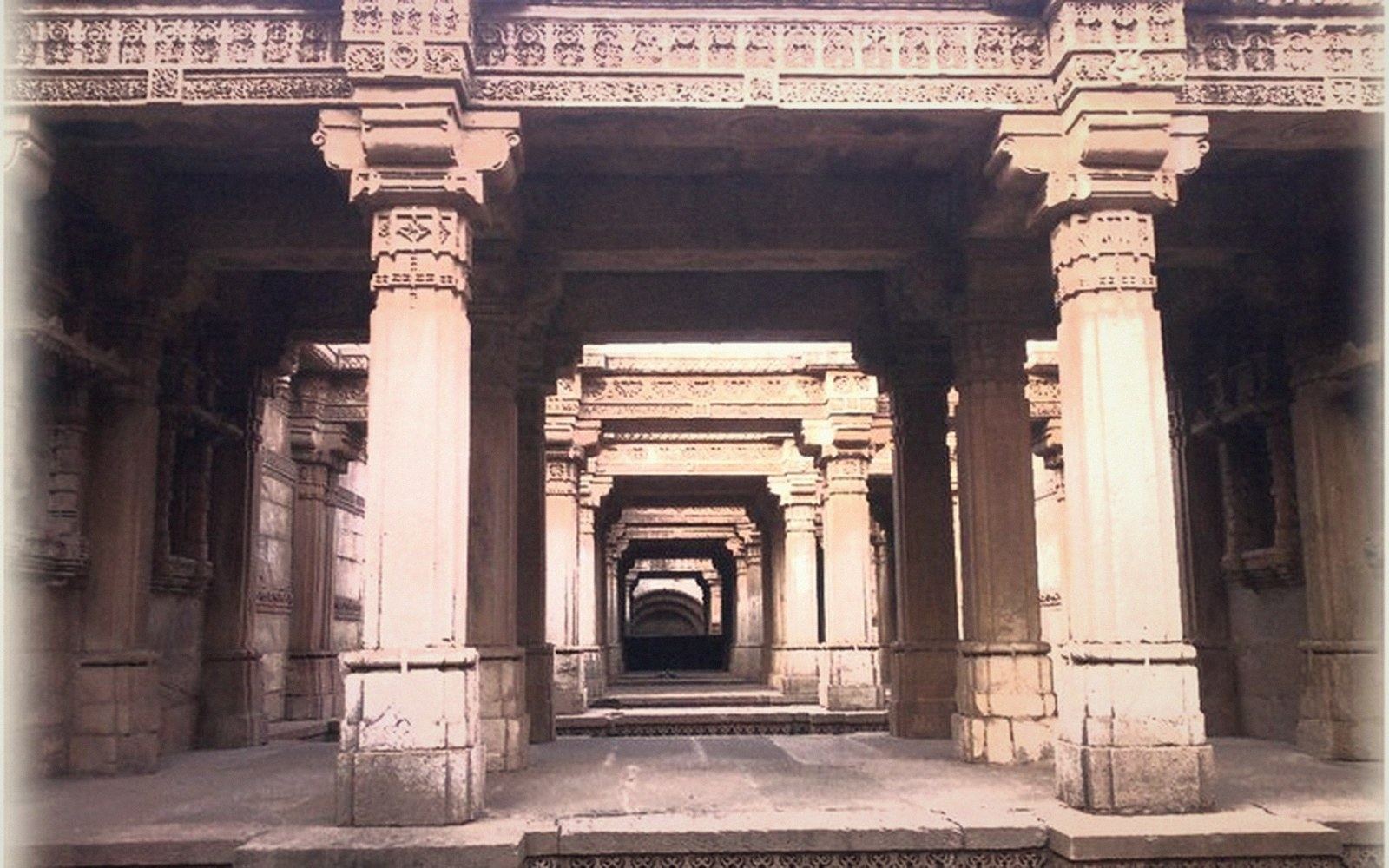 Going down instead of upA stepwell is architecture built downward to meet a falling water table: flights of steps descending several storeys to a shaft, cut so the water is reachable in every season. The deeper the drought, the further you walk — and the building is designed around that fact.
-
02
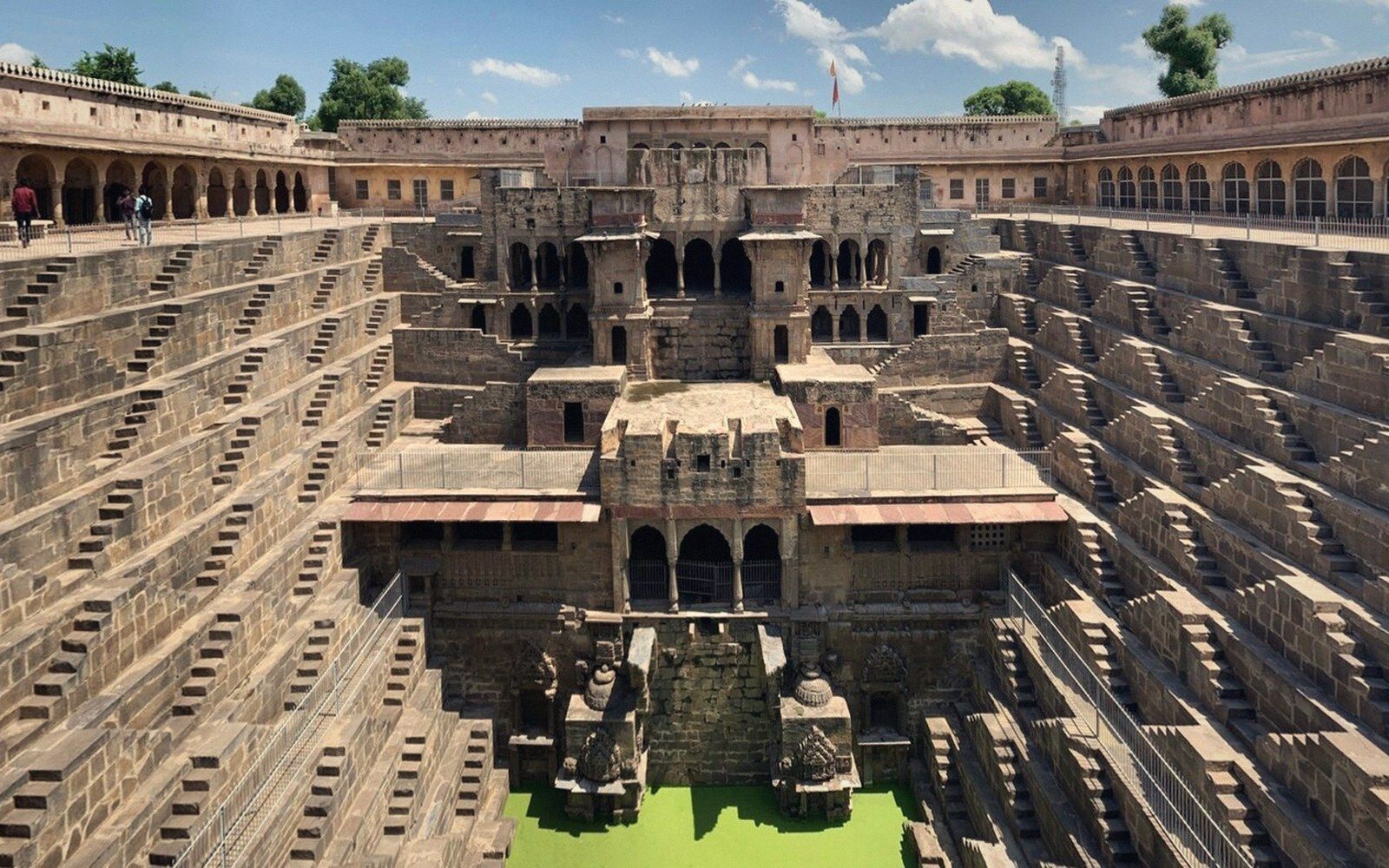 Vav and baoliRegional forms with different plans — a long single flight in Gujarat, stepped sides in the Rajasthan and Delhi region.
-
03
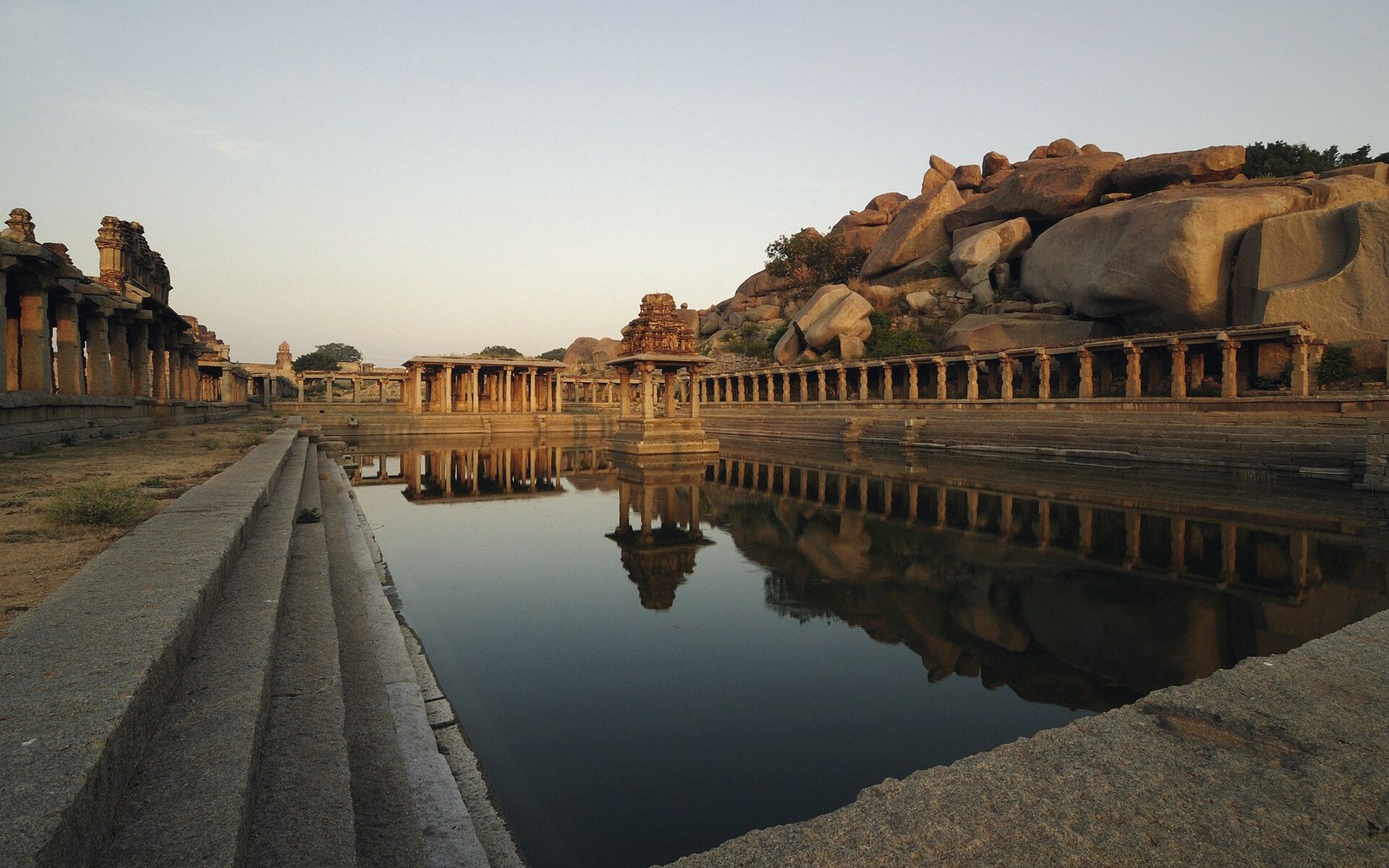 Stepped tanksTemple tanks in the Deccan built in granite, geometric on every face.
-
04
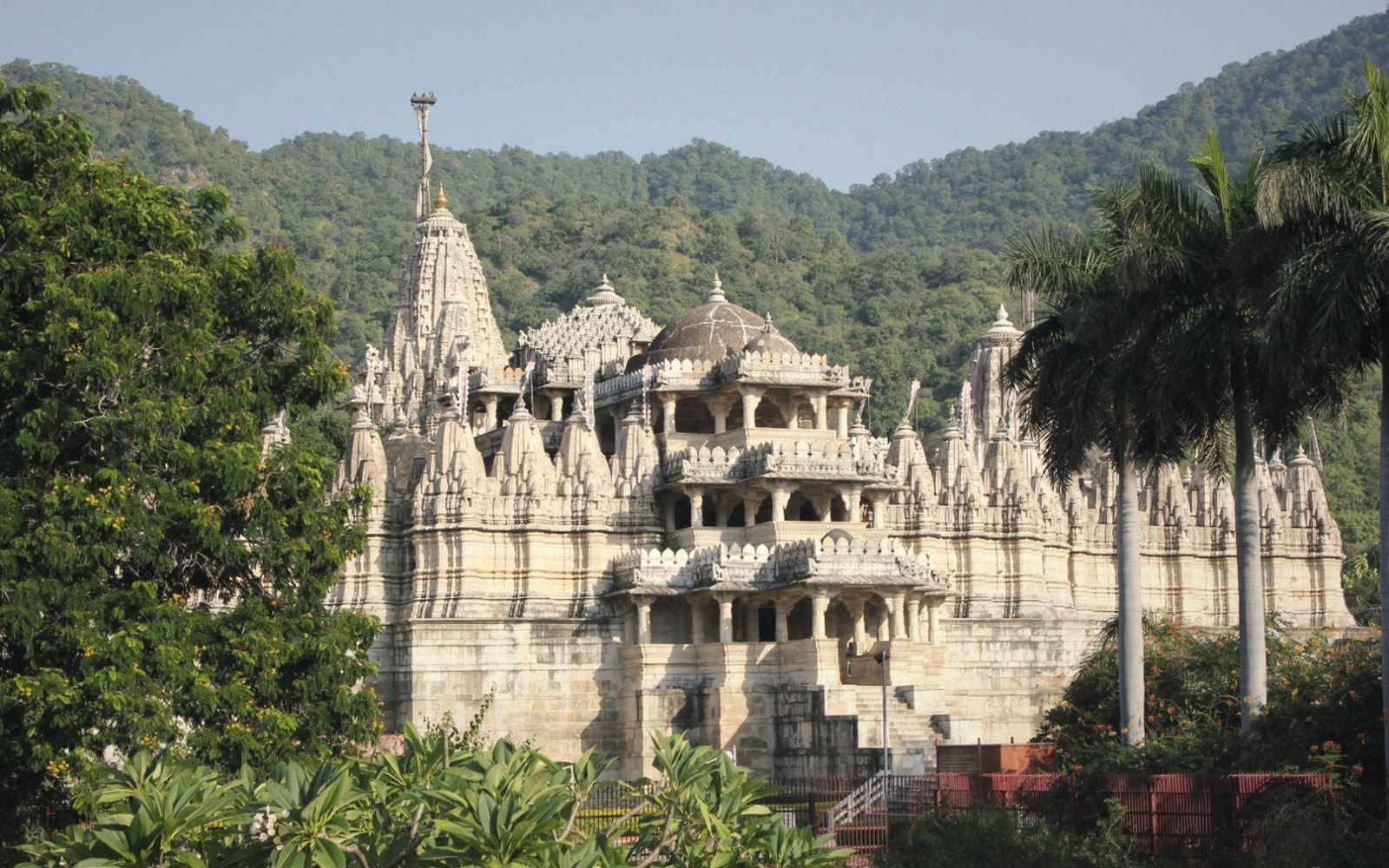 Corbel and beamSpanned without a true arch, which sets the proportions of everything.
As register rows
All 25 entries| № | Tradition | Region | Worked by | Material | What holds it up, or how it is made |
|---|---|---|---|---|---|
| 01 | Going down instead of up | Gujarat, Rajasthan and the Deccan edge | Stone-mason lineages | Sandstone, granite | Corbelled galleries and beam-spanned bays retaining the excavation |
| 02 | Vav and baoli | Gujarat; Rajasthan and the Delhi region | Stone-mason lineages | Sandstone, lime | One long axial flight, or stepped sides on several axes |
| 03 | Stepped tanks | Karnataka and the Deccan | Stone-mason lineages | Granite | Dressed courses laid dry, stepped on every face |
| 04 | Corbel and beam | Across the stepwell regions | Stone-mason lineages | Stone | Courses cantilevered inward until they meet; no true arch |