Section 2 of 6
Printed and Dyed
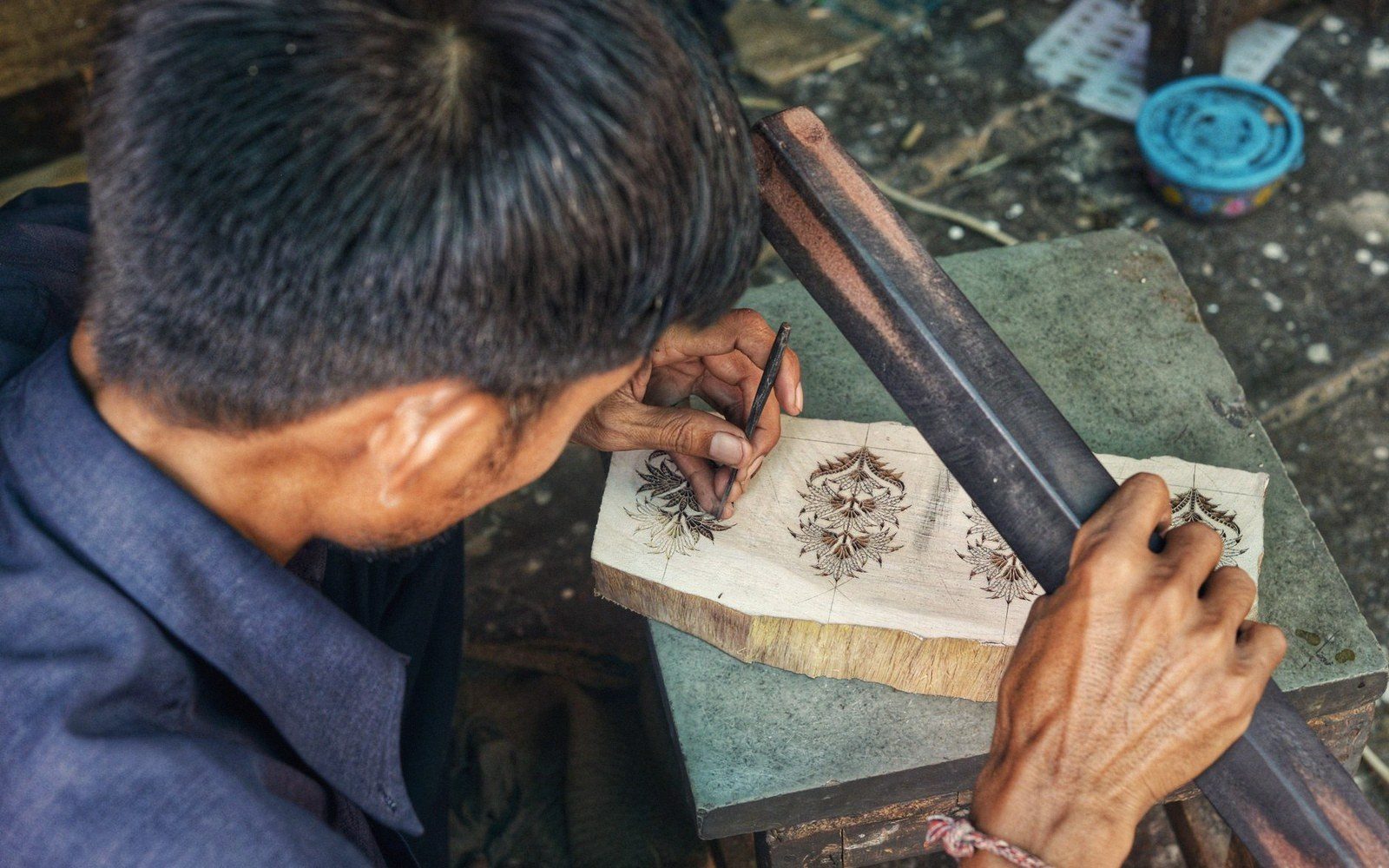
Printing here means resist, mordant and wash as much as it means pigment. Each entry names the town and the community whose block set and sequence identify the cloth.
Entries in this section
5 entries-
05
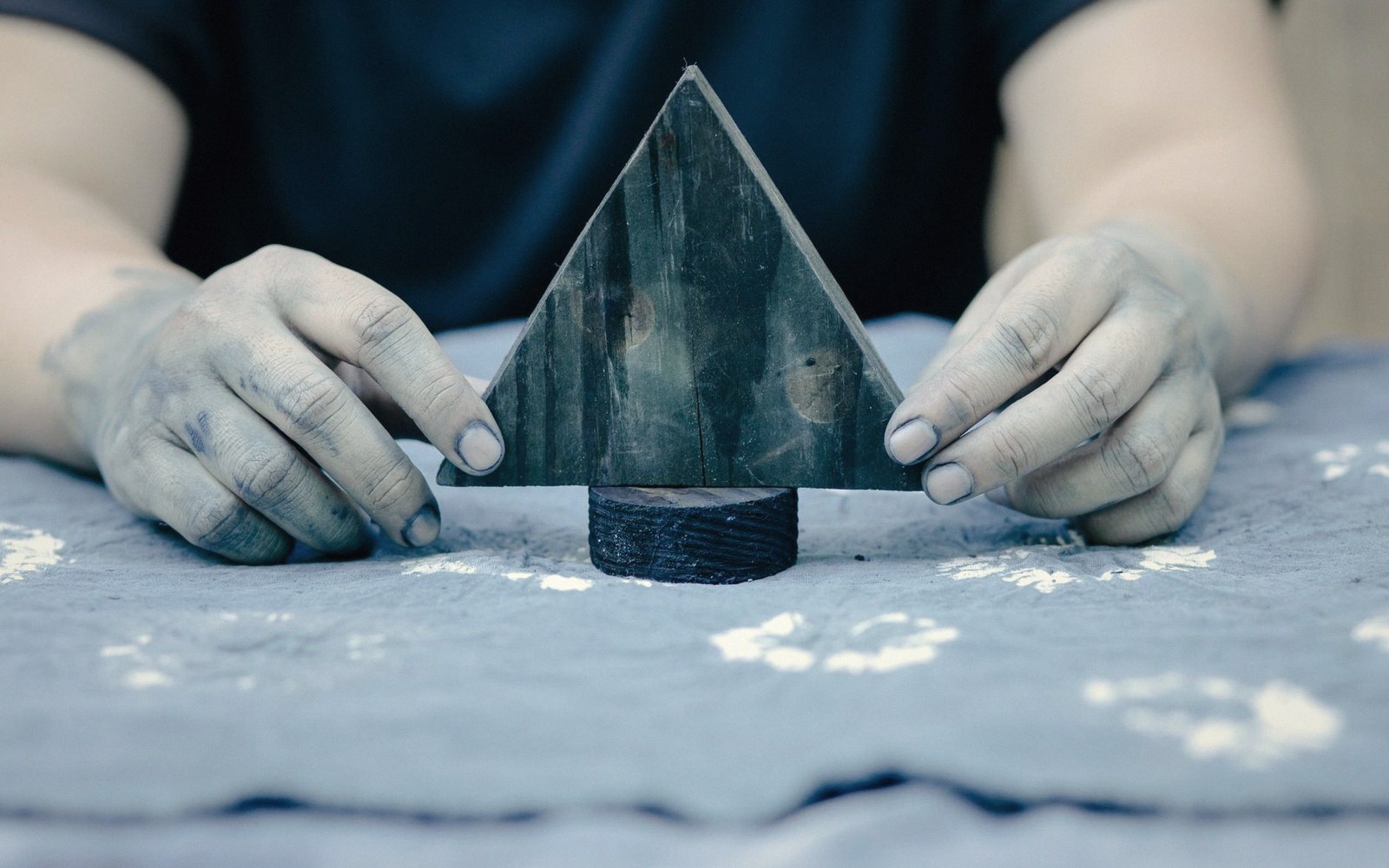 AjrakhA resist and mordant process of many stages worked by Khatri printers in Kachchh, printed on both faces so the cloth reads either way.
-
06
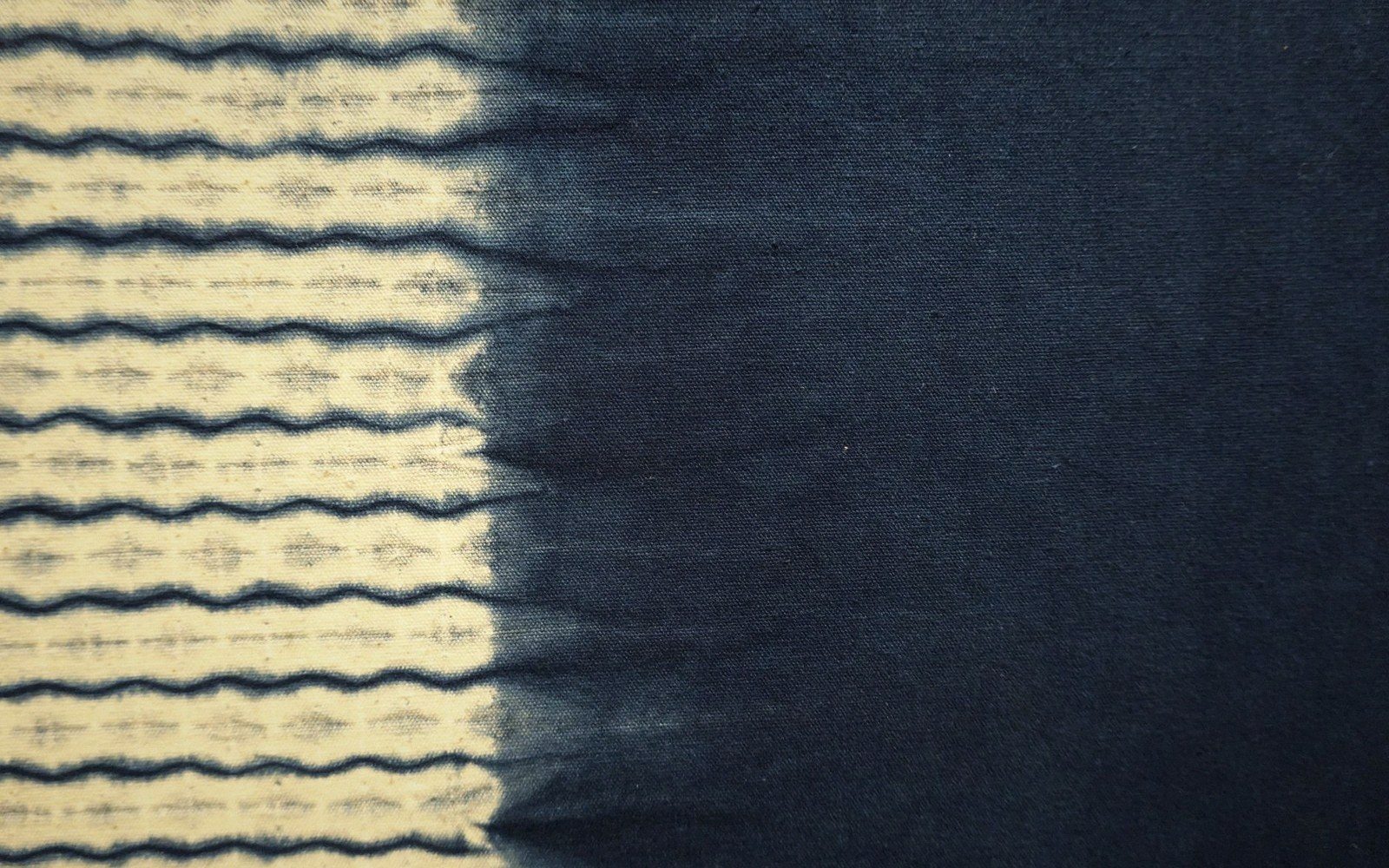 Mud resistBagru printing in Rajasthan, where the resist is a clay paste rather than wax.
-
07
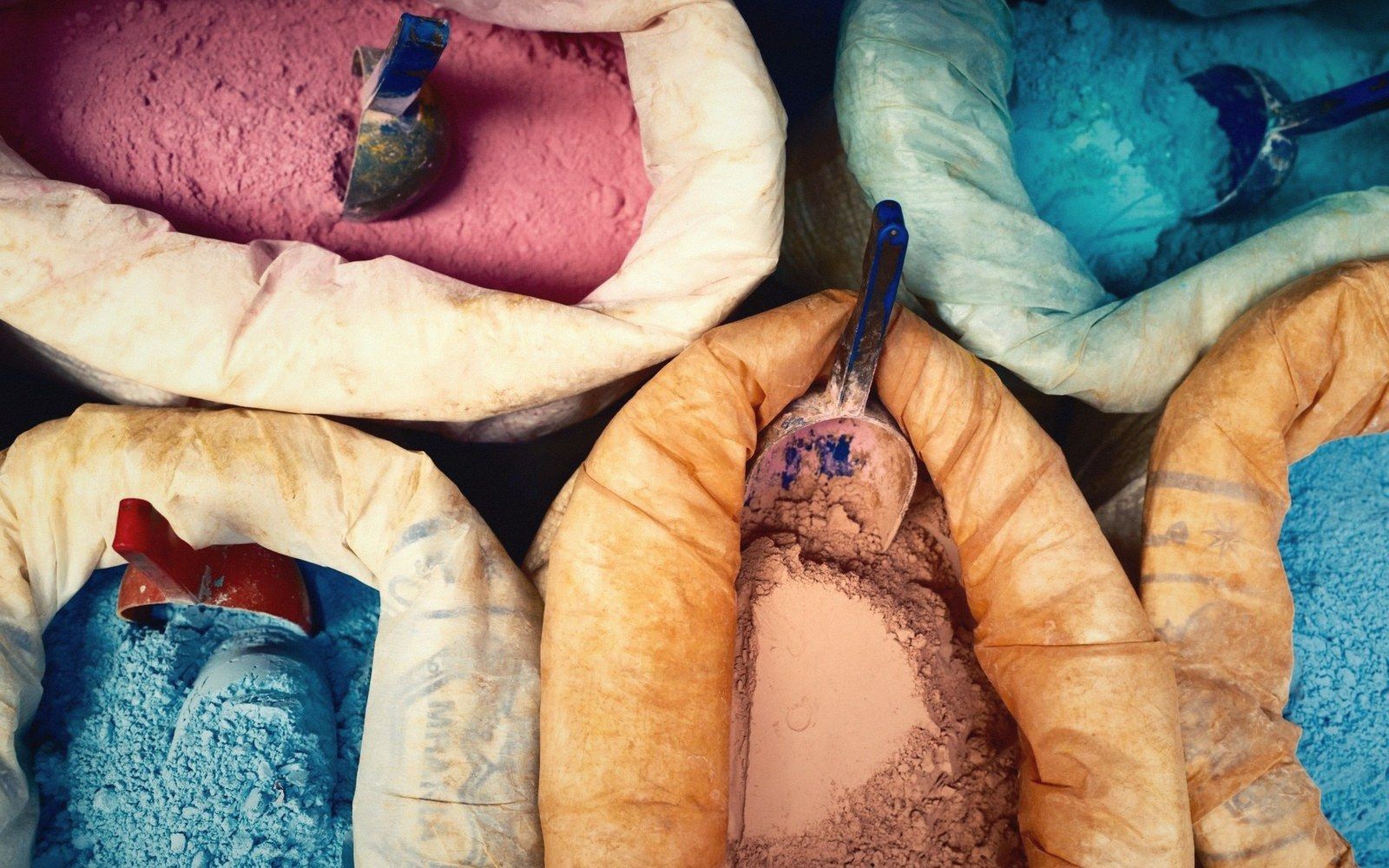 Mordant and dye plantsIron and alum decide the colour as much as the dye does — the same bath gives different results.
-
08
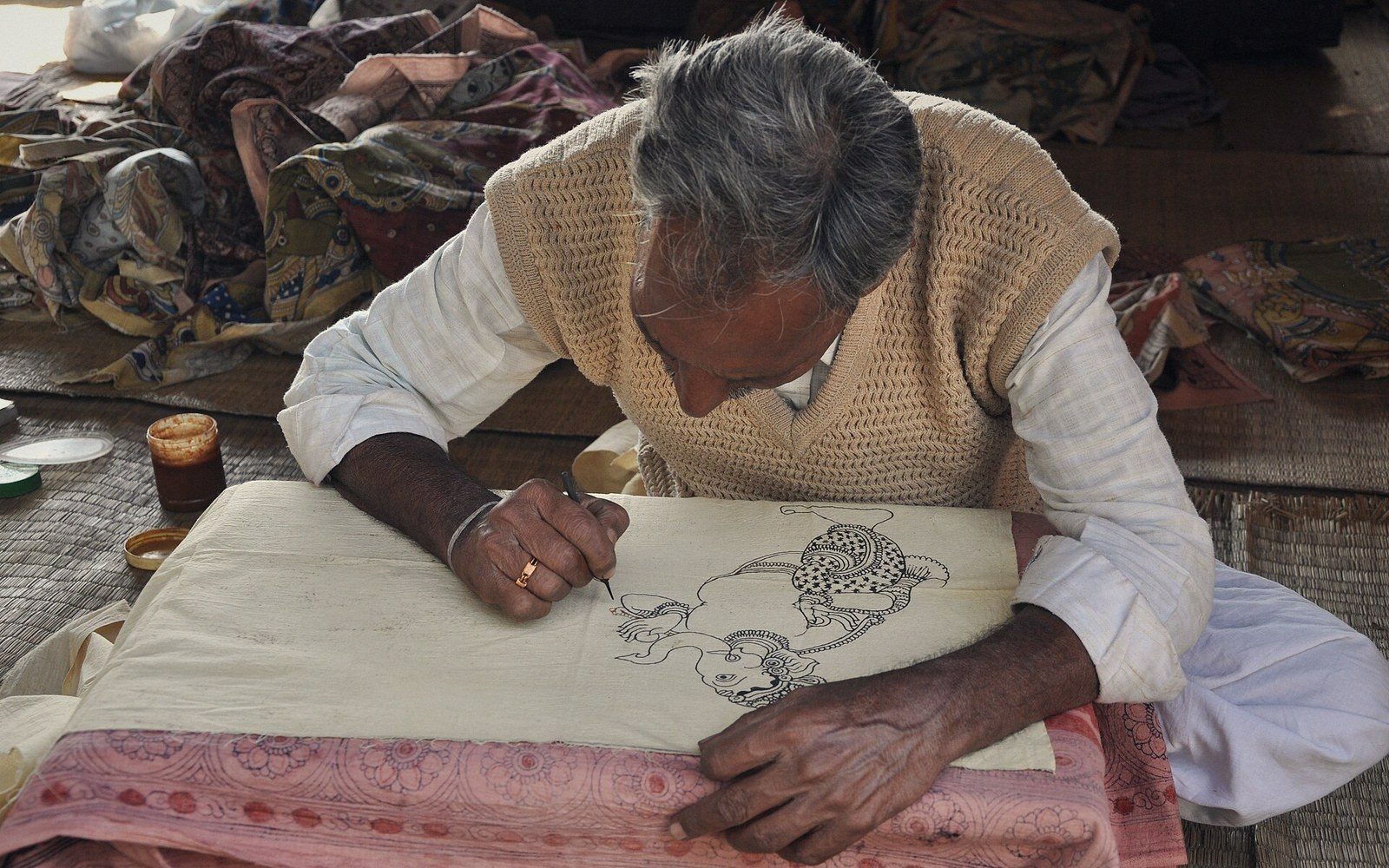 Drawn kalamkariDrawn with a pen rather than printed, in Srikalahasti.
-
09
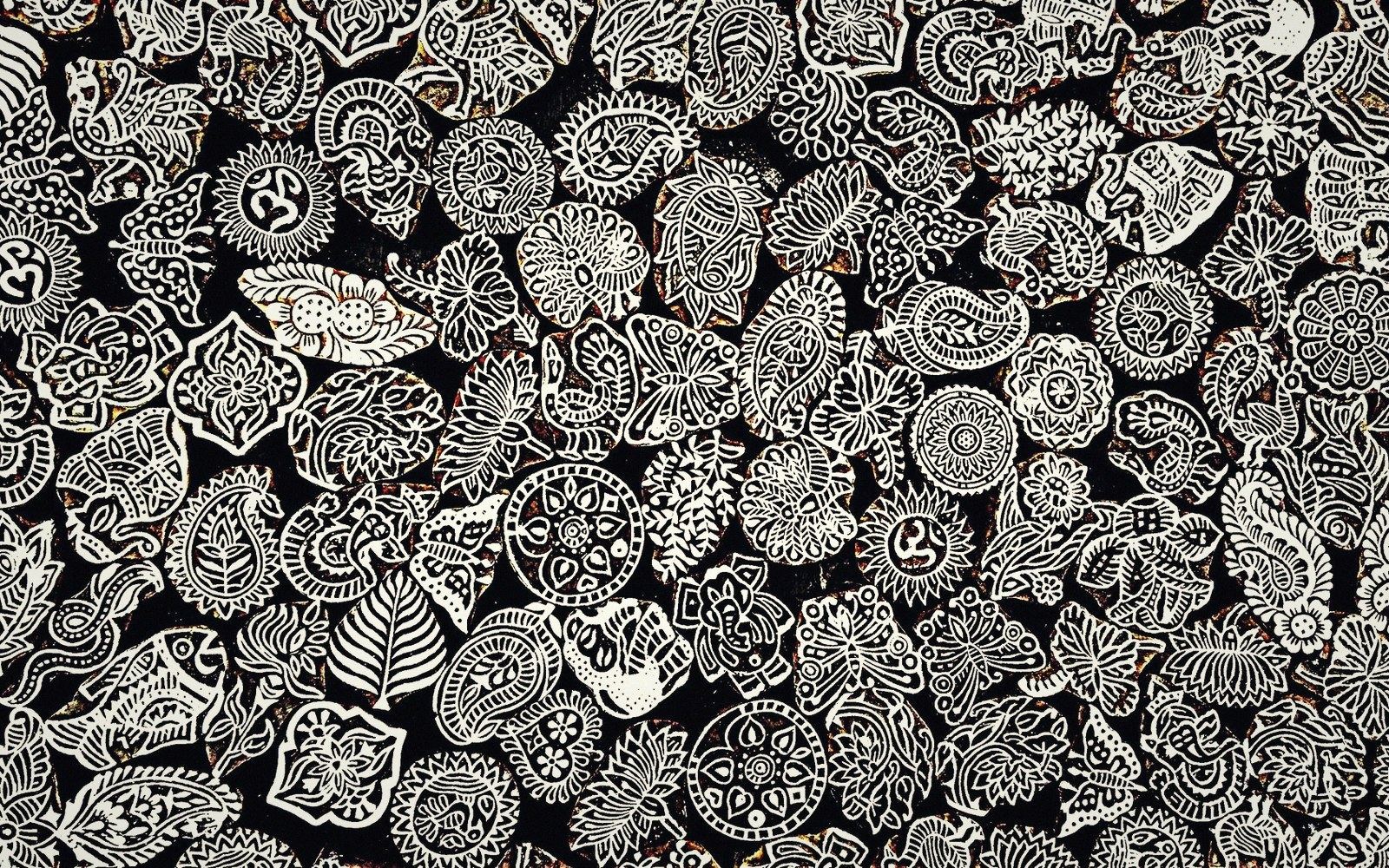 Workshop patternsBlocks identify a workshop the way a hand identifies a writer.
As register rows
All 25 entries| № | Tradition | Region | Worked by | Material | What holds it up, or how it is made |
|---|---|---|---|---|---|
| 05 | Ajrakh | Kachchh, Gujarat; Sindh | Khatri printers | Cotton, indigo, madder, alum and iron | Resist and mordant printed on both faces, in register |
| 06 | Mud resist | Bagru, Rajasthan | Chhipa printers | Cotton, clay resist | Carved teak blocks; fills laid first, outline last |
| 07 | Mordant and dye plants | Printing regions of the west and south | Printers and dyers | Alum, iron, madder, indigo | The mordant decides what colour the dye bath gives |
| 08 | Drawn kalamkari | Srikalahasti, Andhra Pradesh | Workshop painters | Cotton, iron mordant, myrobalan | Drawn with a kalam; colour fixed by mordant, not pressed |
| 09 | Workshop patterns | Block-printing towns of Gujarat and Rajasthan | Block-carvers and printers | Carved teak | A workshop is identified by its block set |