Going down instead of up
A stepwell is built downward to meet a falling water table: flights of steps descending several storeys to a shaft, cut so the water is reachable in every season.
- Region
- Gujarat, Rajasthan and the Deccan edge
- Worked by
- Stone-mason lineages
- Material
- Sandstone, granite
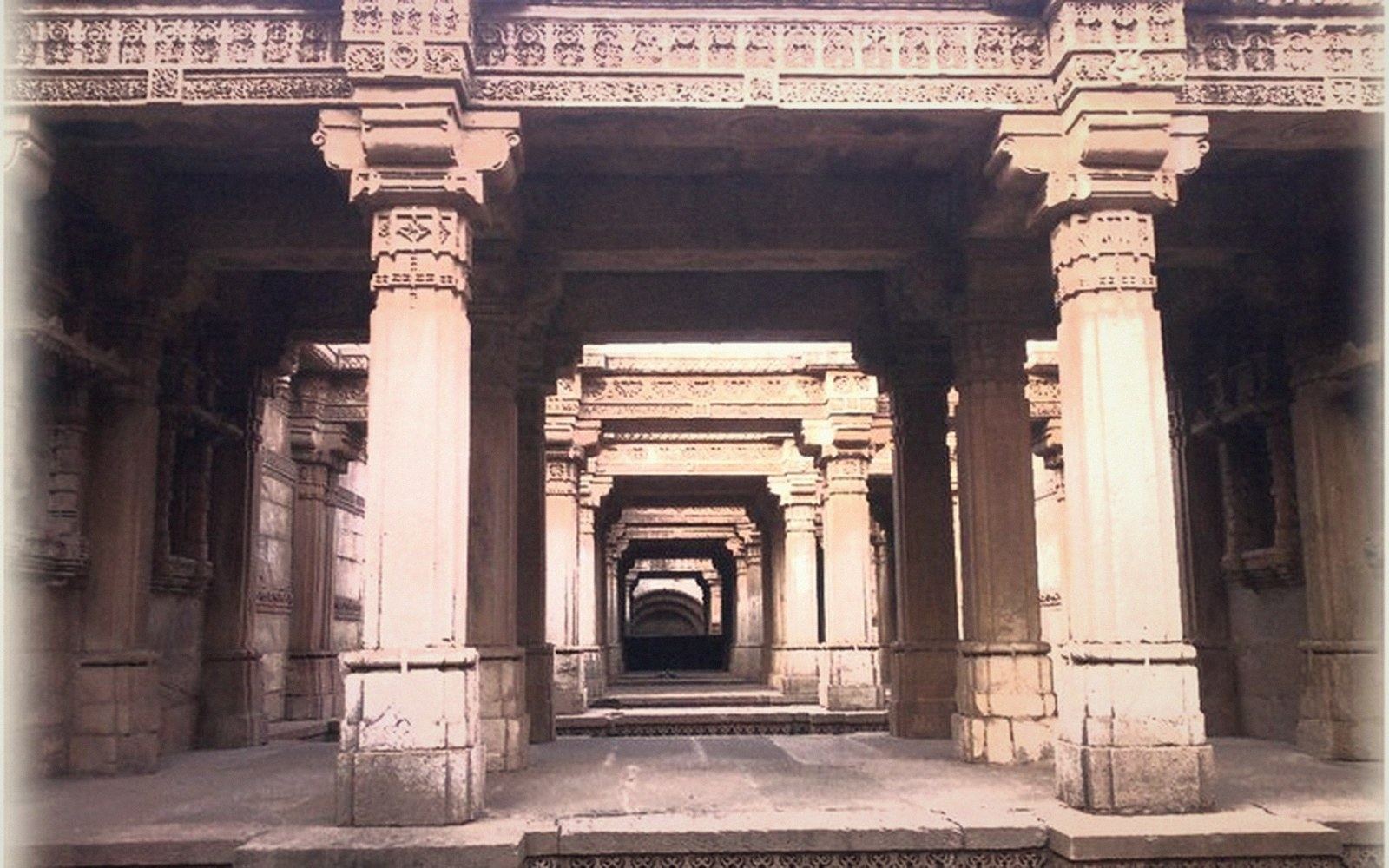
Each entry names the region and the community that works it
One region's work is never entered as the whole country's. Where a practice belongs to a named community — Khatri printers in Kachchh, Salvi weavers at Patan — the register says so, because the community is part of the description.Six to look at first
A selection, not the roster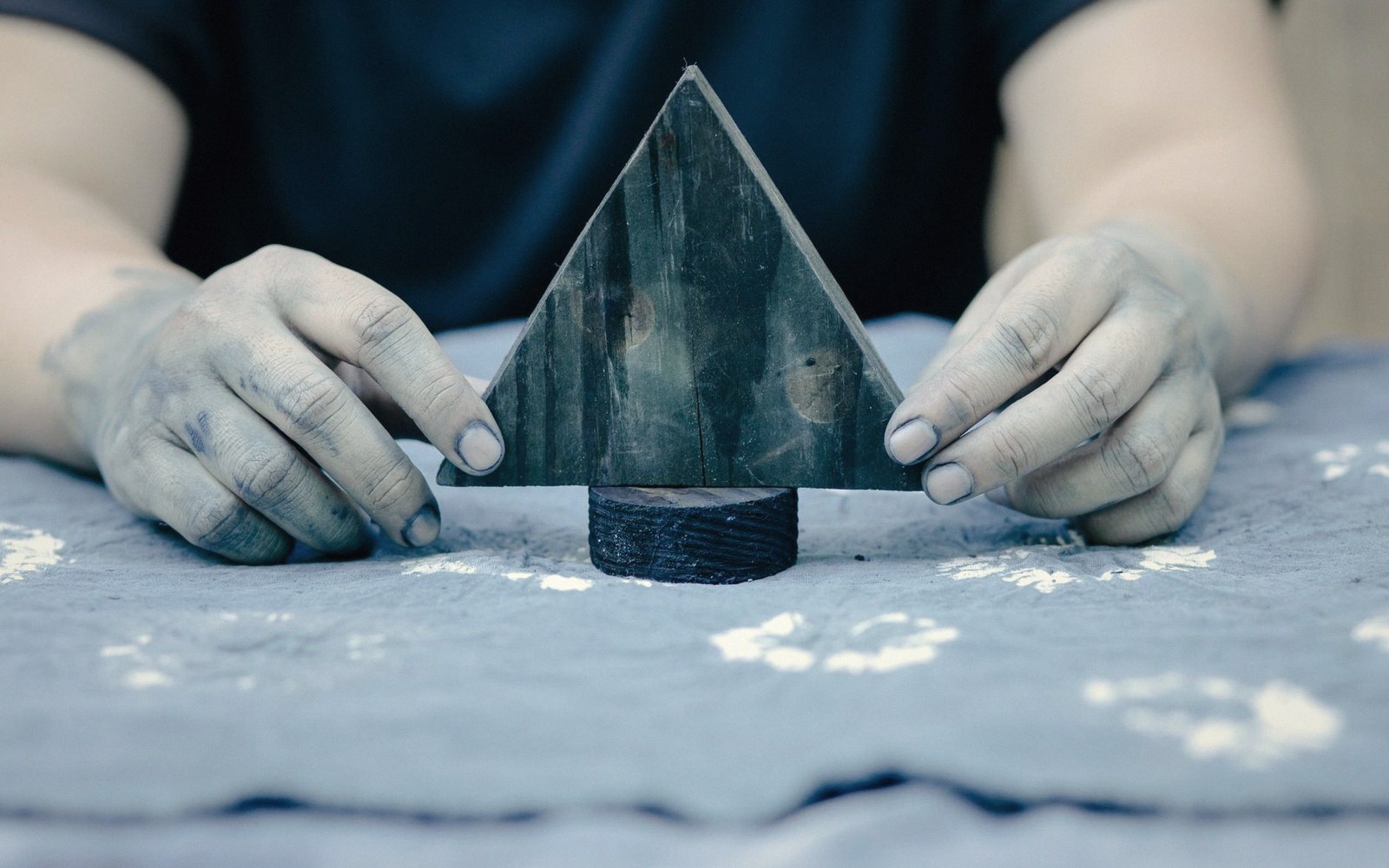 Printed and Dyed№ 05
Ajrakh
A resist and mordant process of many stages worked by Khatri printers in Kachchh, printed on both faces so the cloth reads either way.
Kachchh, Gujarat; Sindh · Khatri printers
Printed and Dyed№ 05
Ajrakh
A resist and mordant process of many stages worked by Khatri printers in Kachchh, printed on both faces so the cloth reads either way.
Kachchh, Gujarat; Sindh · Khatri printers
 Woven Cloth№ 11
Ikat and double ikat
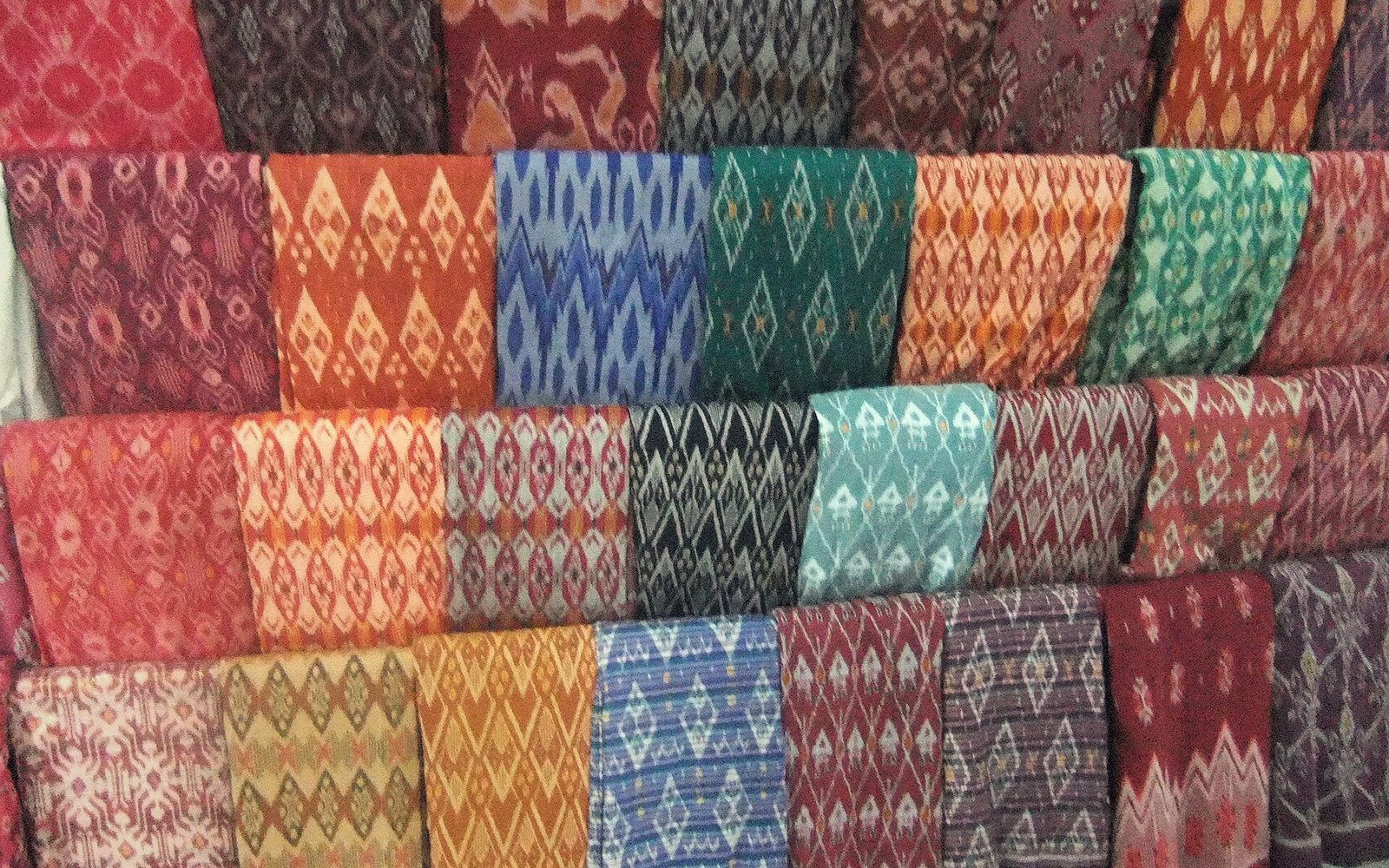
Resist-dyed in the yarn before weaving.
Patan, Gujarat; Odisha; Telangana · Salvi weavers at Patan
Woven Cloth№ 11
Ikat and double ikat
Resist-dyed in the yarn before weaving.
Patan, Gujarat; Odisha; Telangana · Salvi weavers at Patan
 Temple Structure№ 15
Nagara and Dravida
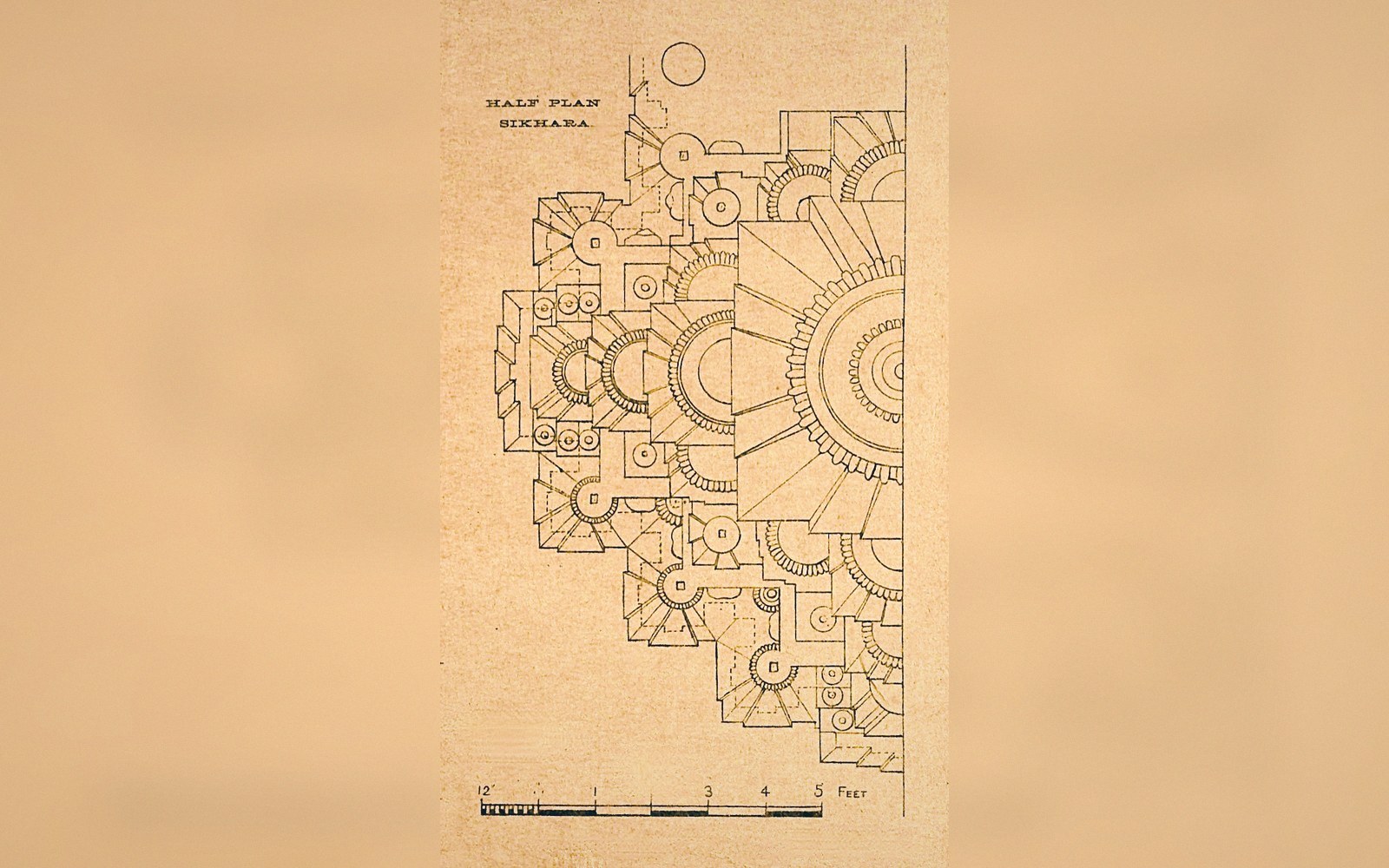
Two structural traditions routinely lumped together: a curved shikhara in the north, a stepped pyramidal vimana in the south.
North, west and east; the Tamil country · Mason and sculptor lineages
Temple Structure№ 15
Nagara and Dravida
Two structural traditions routinely lumped together: a curved shikhara in the north, a stepped pyramidal vimana in the south.
North, west and east; the Tamil country · Mason and sculptor lineages
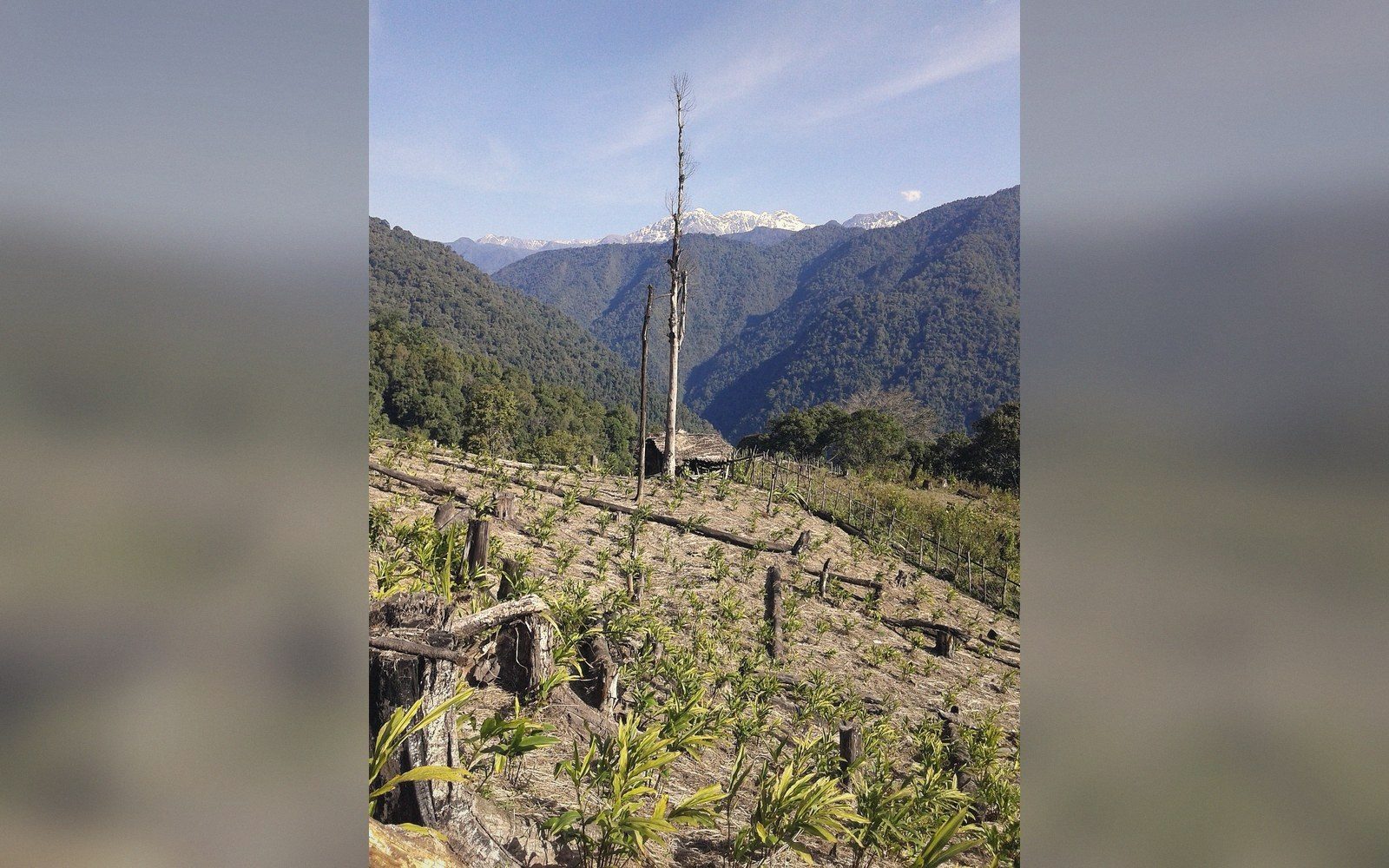 Spice Regions№ 19
The Western Ghats
Pepper, cardamom and the rainfall and altitude that decide where they grow.
Malabar and the Cardamom Hills · Smallholders and estate pickers
Spice Regions№ 19
The Western Ghats
Pepper, cardamom and the rainfall and altitude that decide where they grow.
Malabar and the Cardamom Hills · Smallholders and estate pickers
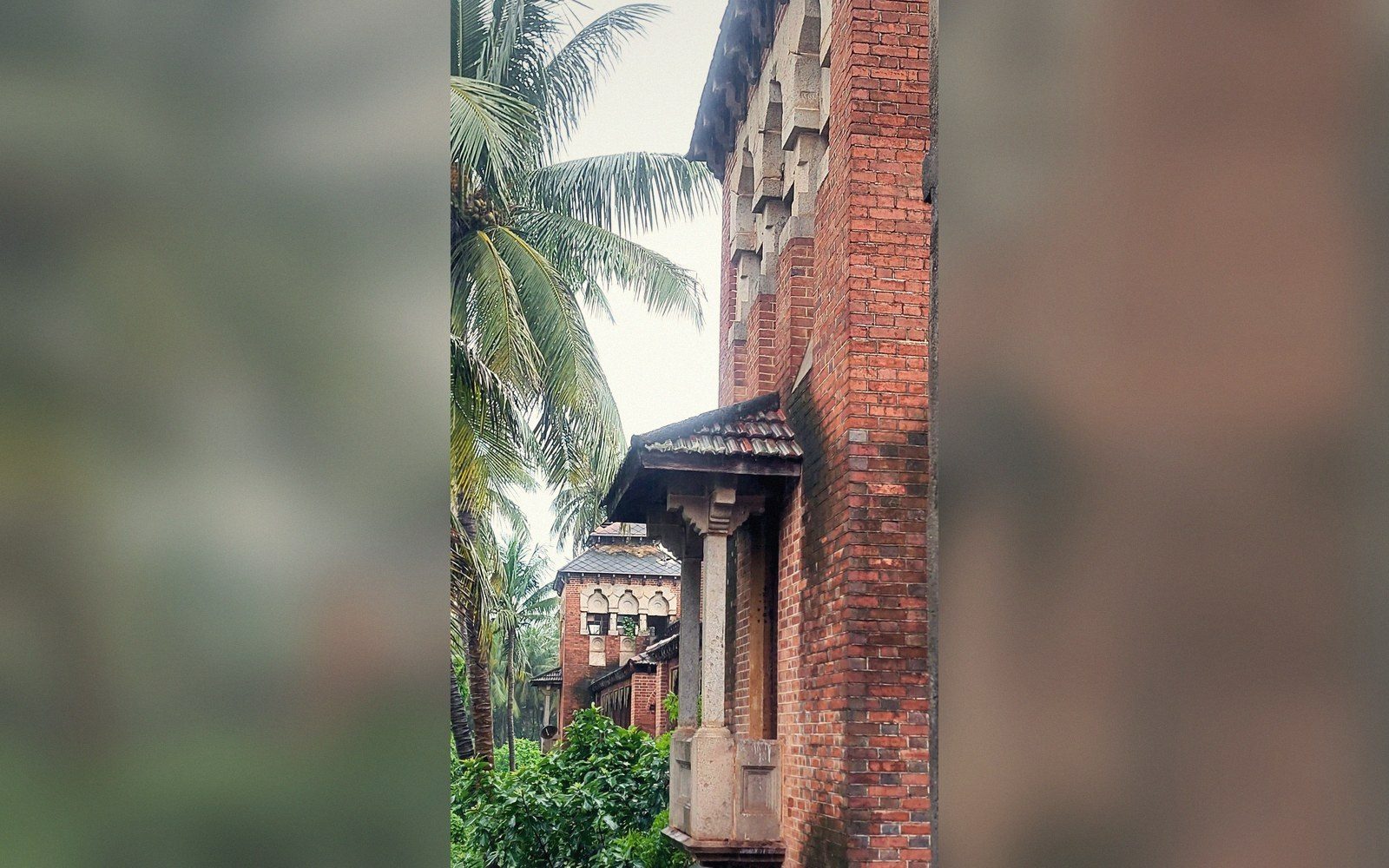 Colonial and Princely№ 23
Iron and arcade
Imported structural iron meeting local stone and a deep shading arcade.
Mumbai and the port cities · Contract masons and iron founders
Colonial and Princely№ 23
Iron and arcade
Imported structural iron meeting local stone and a deep shading arcade.
Mumbai and the port cities · Contract masons and iron founders
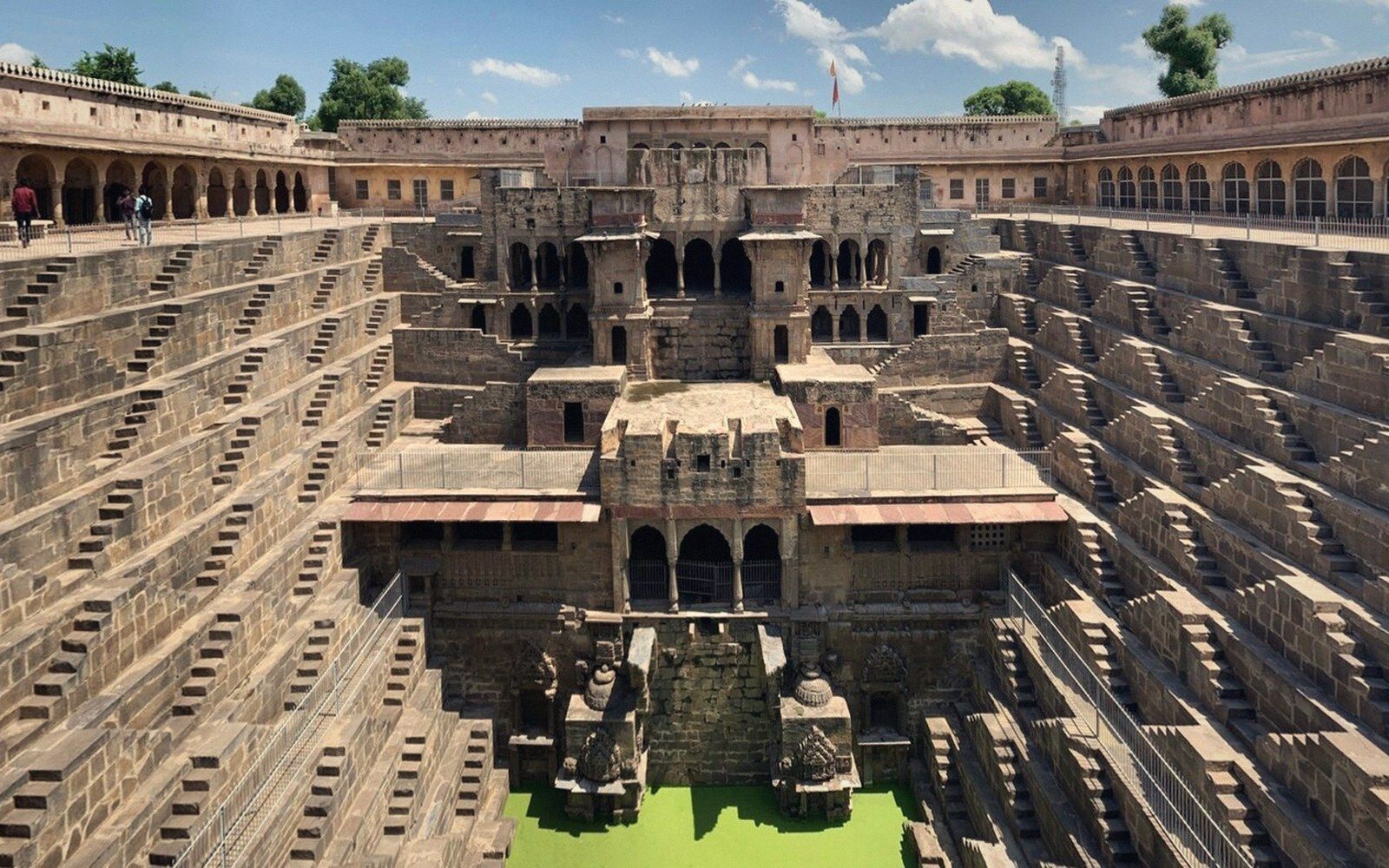 Water Architecture№ 02
Vav and baoli
Regional forms with different plans — a long single flight in Gujarat, stepped sides in the Rajasthan and Delhi region.
Gujarat; Rajasthan and the Delhi region · Stone-mason lineages
Water Architecture№ 02
Vav and baoli
Regional forms with different plans — a long single flight in Gujarat, stepped sides in the Rajasthan and Delhi region.
Gujarat; Rajasthan and the Delhi region · Stone-mason lineages
The full register, all twenty-five entries, with region, community, material and structure
Six sections
Each holds its own entries and termsWater Architecture
Stepwells, tanks and going down instead of up.
4 entriesPrinted and Dyed
Block, resist and mordant.
5 entriesWoven Cloth
Brocade, ikat and the loom.
5 entriesTemple Structure
Nagara, Dravida and rock-cut.
4 entriesSpice Regions
What grows where, and the trade.
4 entriesColonial and Princely
Iron, arcade and commission.
3 entriesAlso in the register
Three more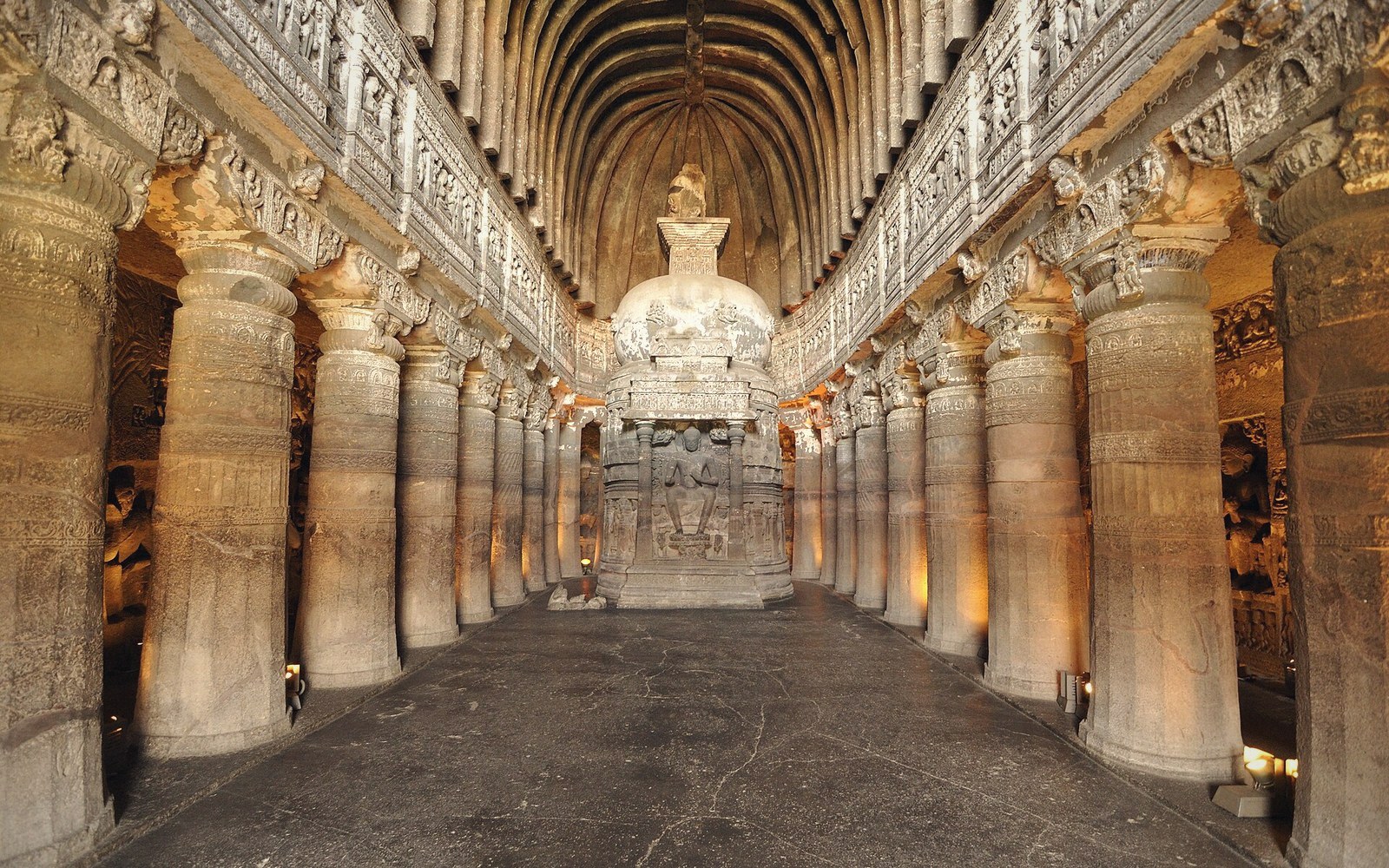 Rock-cutTemple Structure · The western Deccan escarpment
Excavated rather than built — subtractive architecture with no possibility of correction.
06
Rock-cutTemple Structure · The western Deccan escarpment
Excavated rather than built — subtractive architecture with no possibility of correction.
06
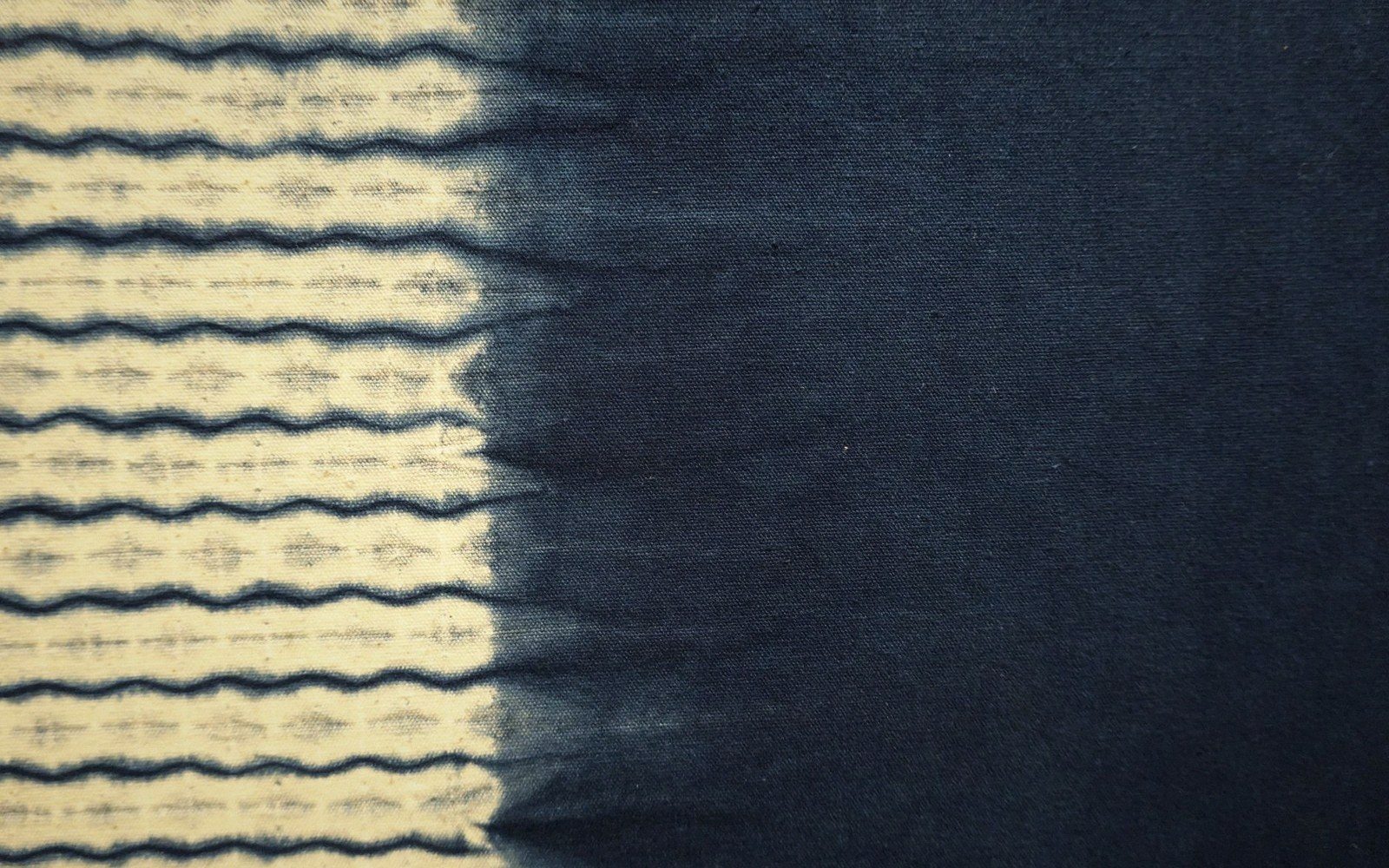 Mud resistPrinted and Dyed · Bagru, Rajasthan
Bagru printing in Rajasthan, where the resist is a clay paste rather than wax.
22
Mud resistPrinted and Dyed · Bagru, Rajasthan
Bagru printing in Rajasthan, where the resist is a clay paste rather than wax.
22
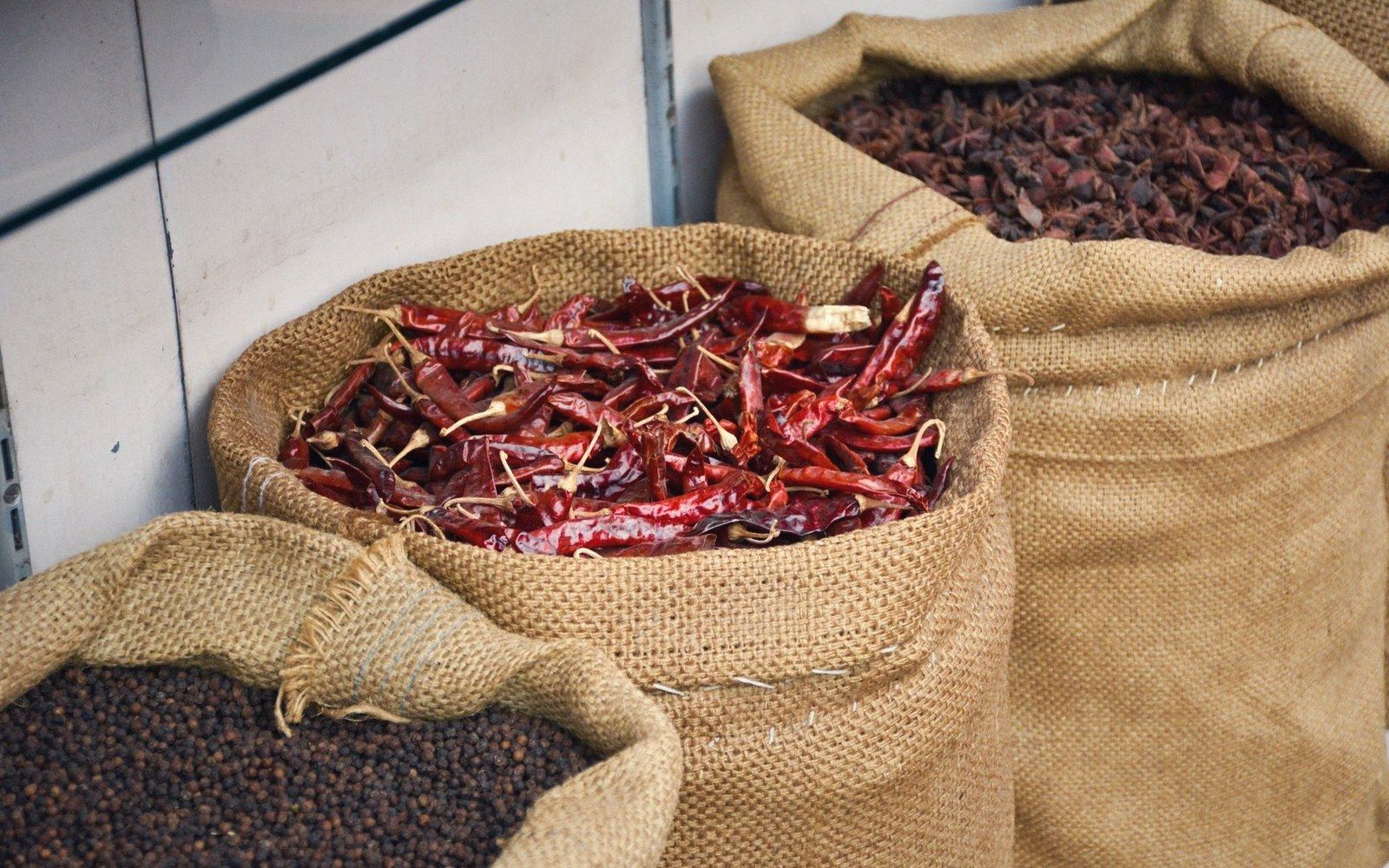 Trade and godownsSpice Regions · Kochi and the port towns
Storage and grading as the part of the trade nobody photographs.
Trade and godownsSpice Regions · Kochi and the port towns
Storage and grading as the part of the trade nobody photographs.
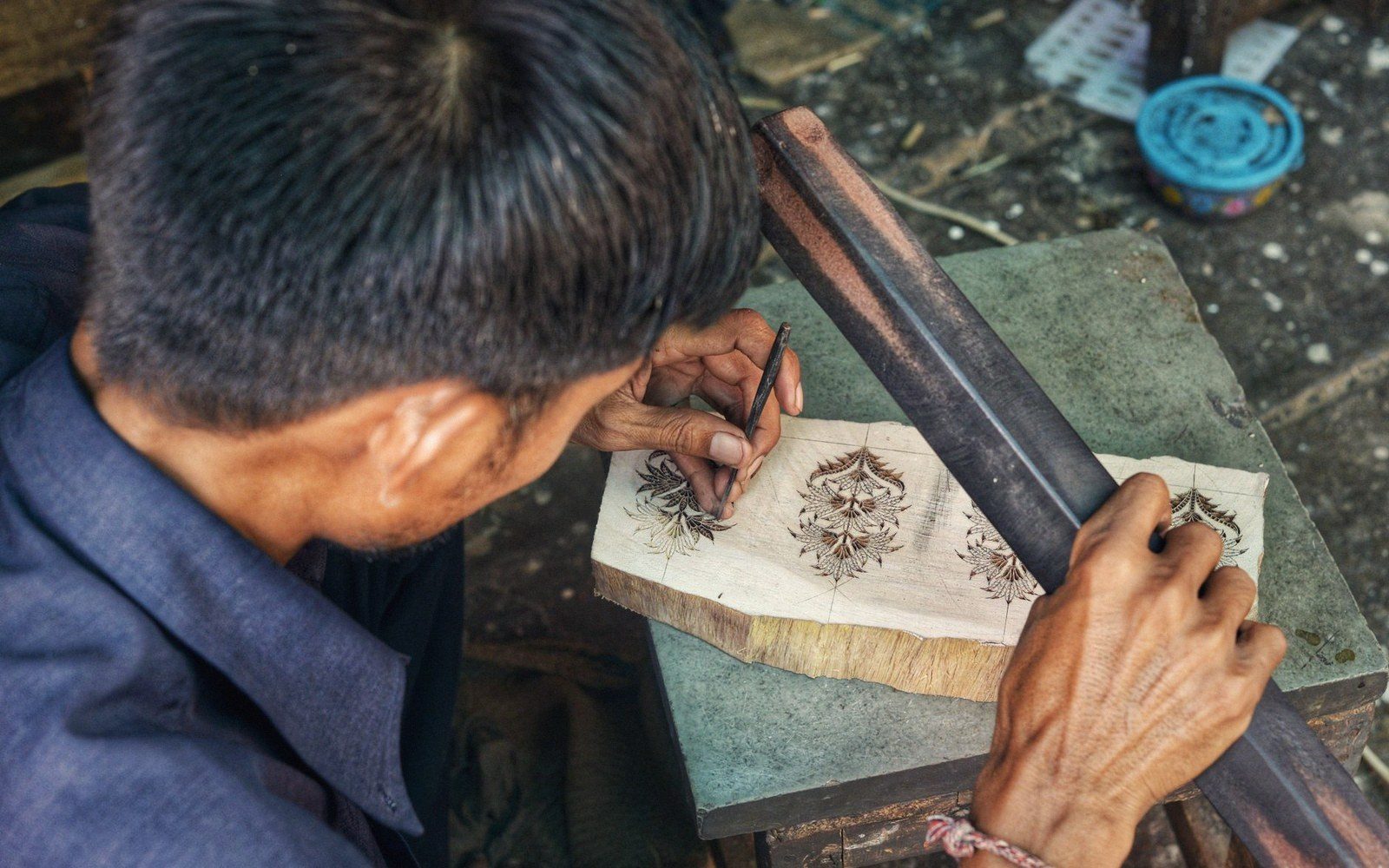
Five entries in this section turn on the same problem: deciding where colour is not allowed to reach the cloth.
How the register is written
Six fields, one line eachEvery entry carries the same six fields: the tradition, the region it belongs to, the community or workshop that works it, the material, what holds it up or how it is made, and a number that stays with the entry wherever it appears. The number is a filing position, not a rank.
This is a description of made things and built places. It is not a guide to going anywhere, and it carries no visiting information.