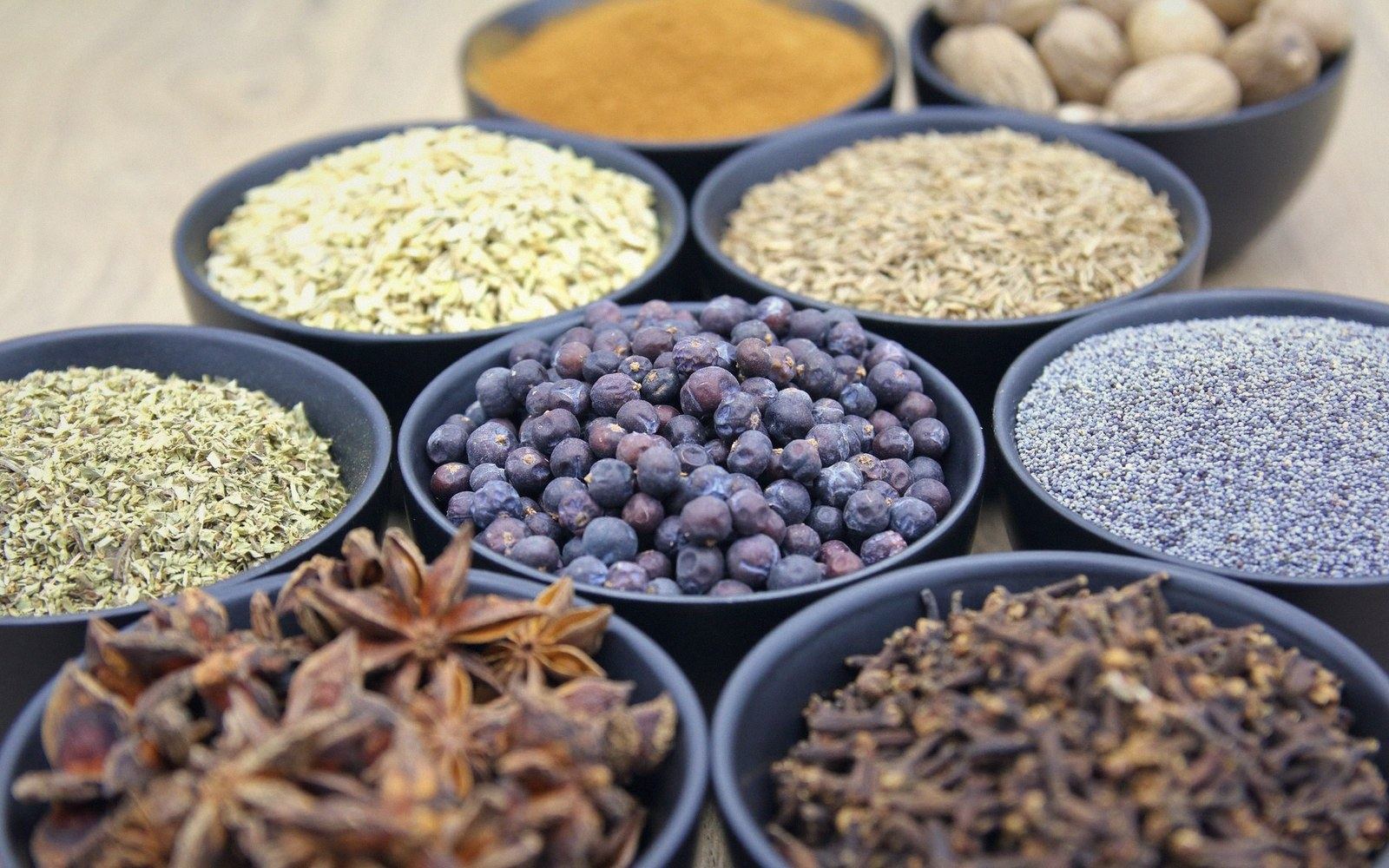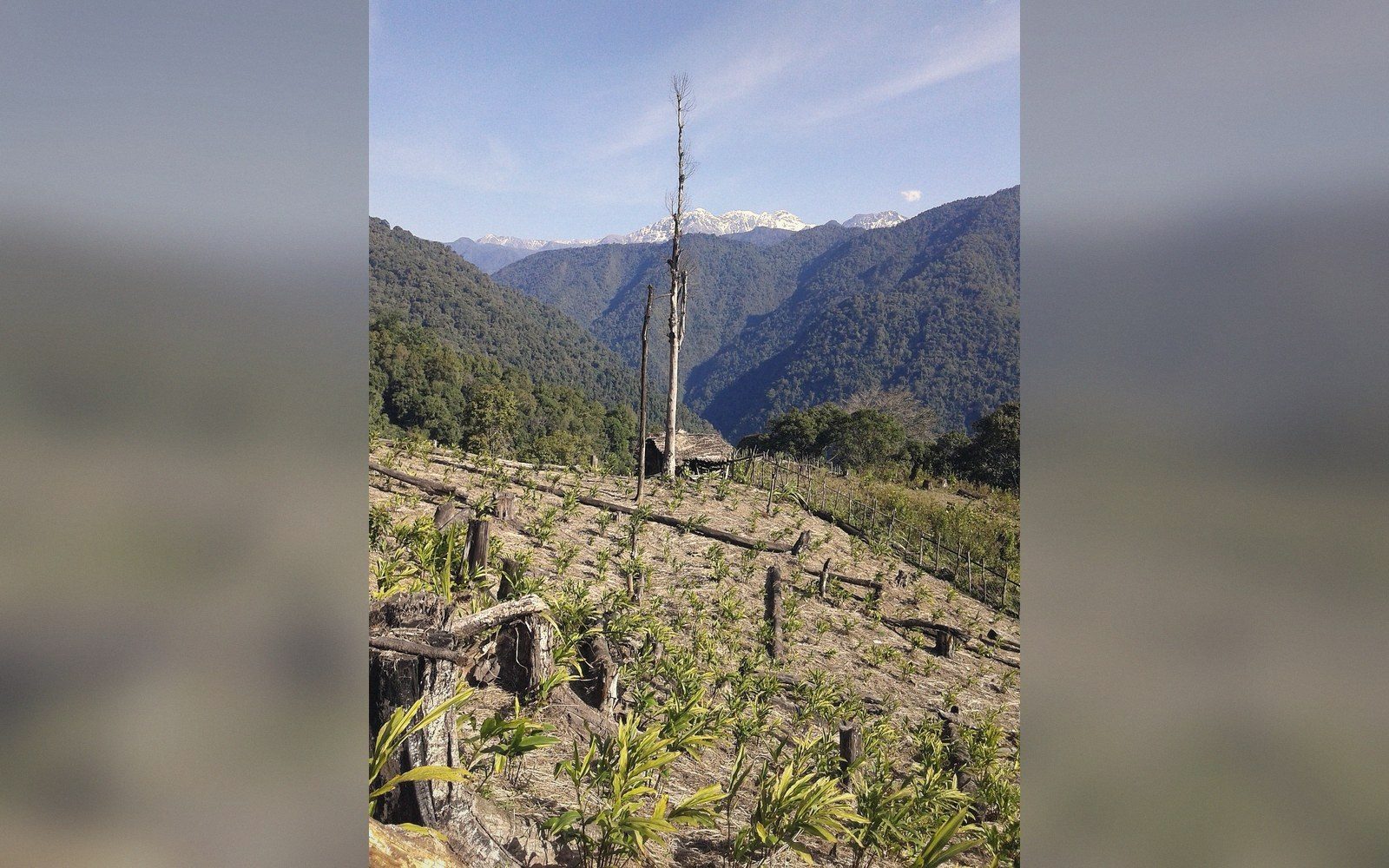
The rainfall figures for the western escarpment of the Ghats are almost difficult to believe: parts of the Agumbe plateau in Karnataka and the Wayanad highlands of Kerala receive more than 7,000 millimetres a year. That number is not an anomaly but a structural fact — the range forces moisture-laden southwest monsoon air steeply upward, cooling it rapidly, and the condensation falls almost entirely on the windward side. The eastern slopes, by contrast, sit in a rain shadow. This single geographical mechanism is the reason black pepper and cardamom grow where they do, and not fifty kilometres further inland.
The Western Ghats run roughly 1,600 kilometres from the Tapti River in the north to Cape Comorin at the southern tip of the subcontinent, passing through Gujarat's southernmost districts, Maharashtra, Goa, Karnataka, Kerala and Tamil Nadu. The mountains are not especially high — the highest point, Anamudi in Kerala, reaches 2,695 metres — but height matters less here than aspect and proximity to the Arabian Sea. What the Ghats create is a narrow band of reliable, heavy, year-round humidity that suits two crops above most others.
01Pepper and cardamom: altitude's difference
Black pepper (Piper nigrum) is a climbing vine native to the forests of the Malabar coast, the old name for what is now the Kerala littoral and its immediate hinterland. It grows best between roughly 20 and 500 metres elevation, in the warm, humid forest floors where it has been cultivated in association with supporting trees — often erythrina or arecanut palm — for at least two millennia. The berries are harvested green and sun-dried to produce the familiar black peppercorn; white pepper comes from the same berry with the outer skin removed after soaking. Malabar pepper was the specific commodity that made the spice trade a matter of Mediterranean politics: Roman merchants knew it by origin, Arab traders controlled its sea routes for centuries, and the Portuguese disruption of those routes after 1498 was calibrated to capture precisely this supply chain.
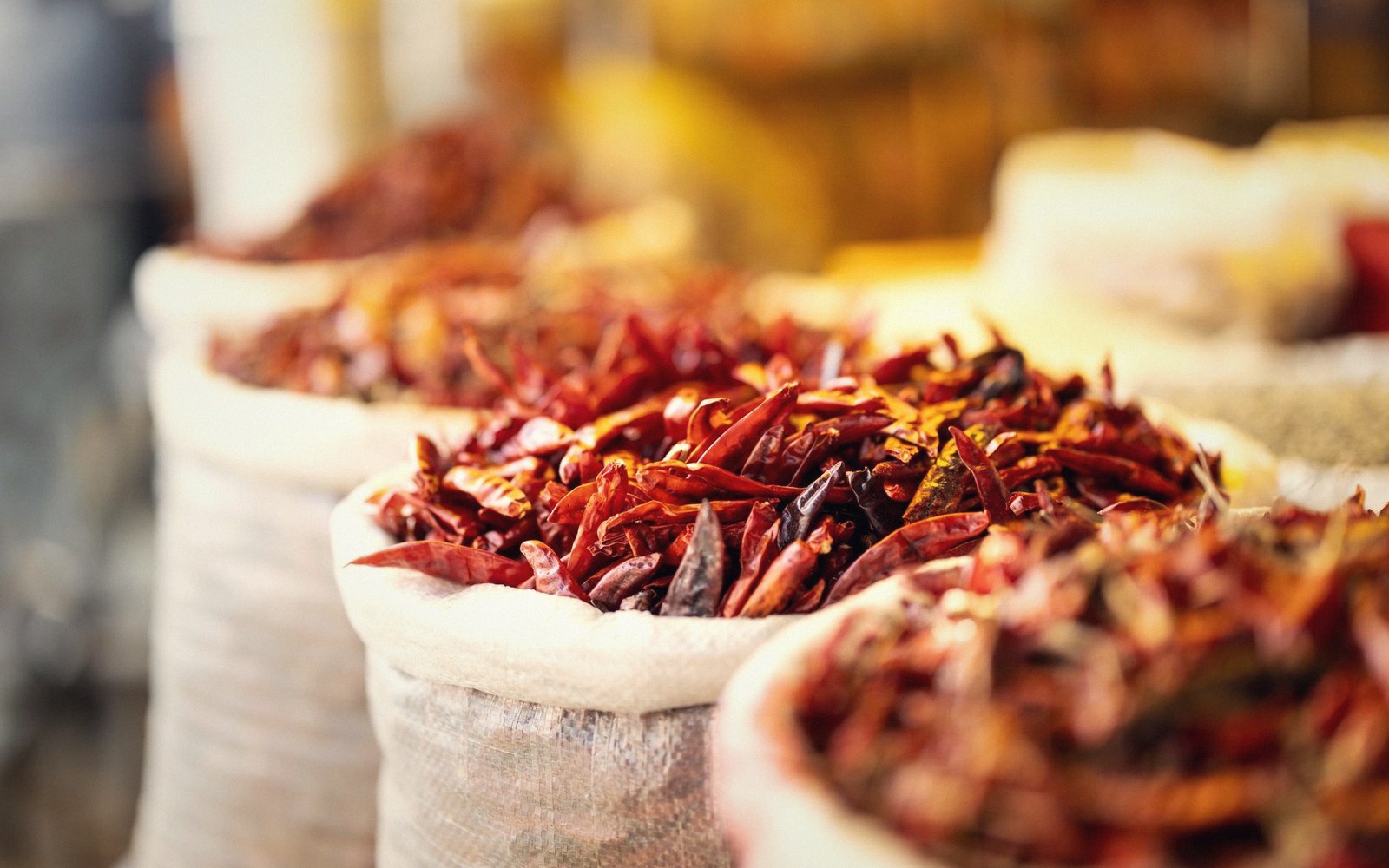
Cardamom (Elettaria cardamomum) requires different conditions: higher elevation, filtered light and consistently cool temperatures. The Cardamom Hills, the southern extension of the Ghats forming much of the Kerala–Tamil Nadu boundary, give the spice both its common English name and its primary growing ground. Commercial cultivation sits mostly between 600 and 1,500 metres, in the semi-shade of taller forest cover or deliberately planted shade trees. The plant is a large perennial herb whose seed pods grow on prostrate runners close to the ground — an unusual architecture for a cultivated crop, and one that makes mechanical harvesting impractical. Idukki district in Kerala holds a significant share of Indian cardamom production; the Spices Board of India, established in 1987 and headquartered in Kochi, administers the crop's certification and auction systems.
The two spices are complementary in one important ecological sense: pepper needs the valley floors and lower slopes where heat accumulates; cardamom retreats uphill to where pepper cannot profitably grow. Together they represent a near-complete vertical occupation of the spice-viable Ghats, each crop in its own altitude band.
02The forest and what it decides
Neither pepper nor cardamom grows well in open sun. Both are historically associated with the wet evergreen and semi-evergreen forests of the Ghats rather than with cleared agricultural land. This matters because the forest cover regulates the micro-climate: it holds moisture in the soil, moderates temperature swings and provides the lateral shade that cardamom in particular cannot do without. Deforestation in the Ghats — which has accelerated since the mid-twentieth century as coffee and tea estates expanded — has forced growers to create artificial shade canopies, with mixed results in yield and in the aromatic quality of the harvested spice.
The trade and godowns side of this story belongs elsewhere, but the growing conditions are inseparable from what ends up in a market: spice that has matured in the right altitude, under the right forest canopy, in soil that drains fast but never dries, carries a chemical complexity that flat-land imitation cannot replicate. The Ghats are not incidental scenery. They are, in the most literal sense, the mechanism.
What the Ghats create is a narrow band of reliable, heavy, year-round humidity that suits two crops above most others.