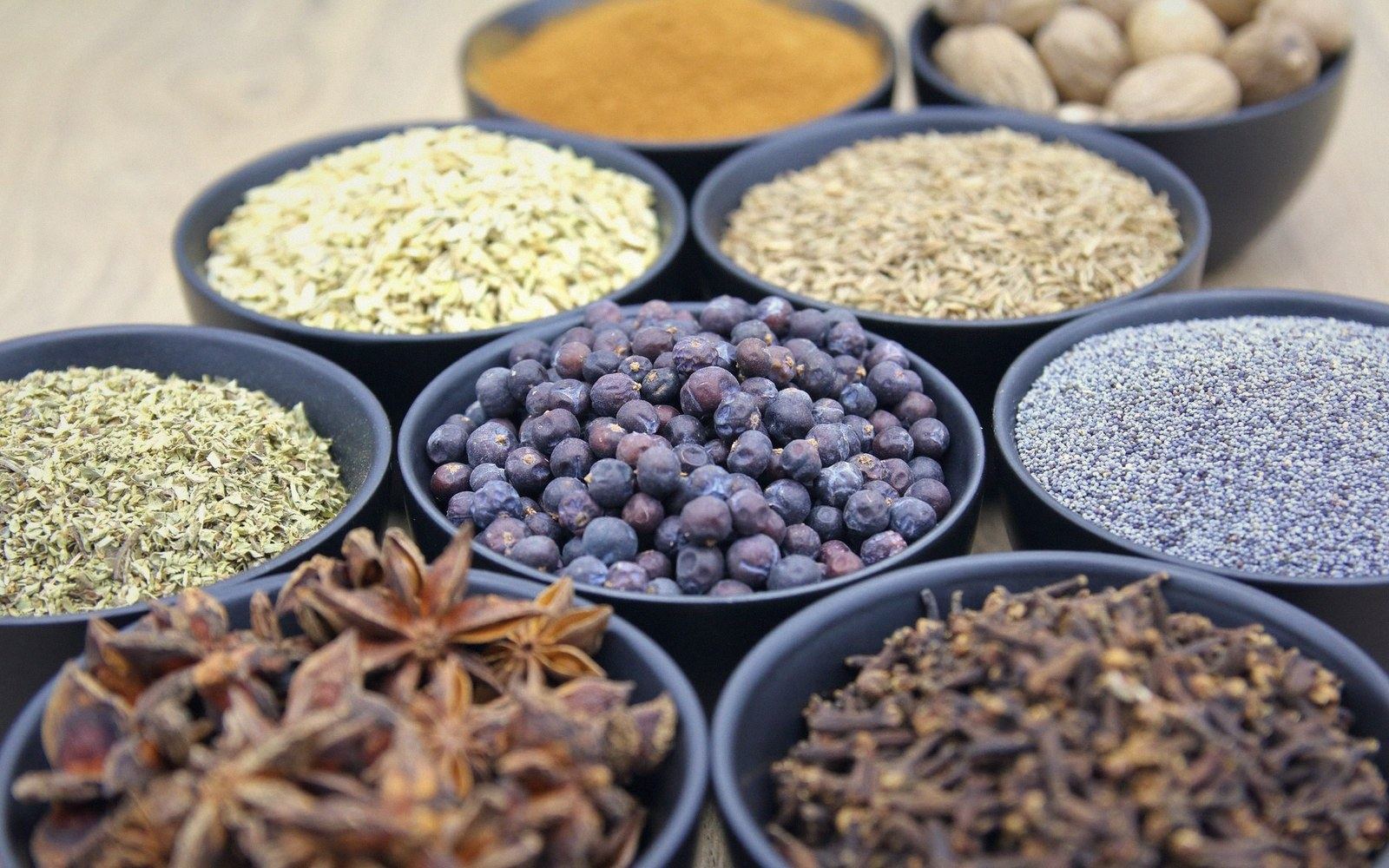
Chilli, turmeric and coriander each come from a different ecology — and what looks like a single spice shelf is actually three separate agricultural worlds.
The Deccan plateau and the sandy plains stretching into Gujarat and Rajasthan support crops that the humid Western Ghats cannot: plants that need long dry periods, a hard sun, and soils that drain fast and hold warmth. Chilli, turmeric and coriander are the clearest illustration of this. They are grown across overlapping but distinct zones, shaped by rainfall, soil chemistry and the length of the dry season rather than by any single administrative boundary.
Chilli in India is inseparable from Guntur district in coastal Andhra Pradesh, which has produced more dried red chilli by volume than anywhere else in the country for most of the twentieth century. The soil here is a reddish-brown sandy loam — well-drained, slightly acidic — and the dry season is long enough to cure the pods on the plant before harvest. Varieties grown in the Guntur region range from the blunt, moderately hot sannam to the thin-skinned, fiercely pungent teja, and the Guntur market yard has for decades been one of the largest chilli trading posts in Asia. The heat comes from capsaicin concentrated in the placental tissue inside the pod, and sun-drying drives out moisture while intensifying colour. The deep red that Indian dried chillies are known for is partly variety, partly the duration and intensity of field-drying.
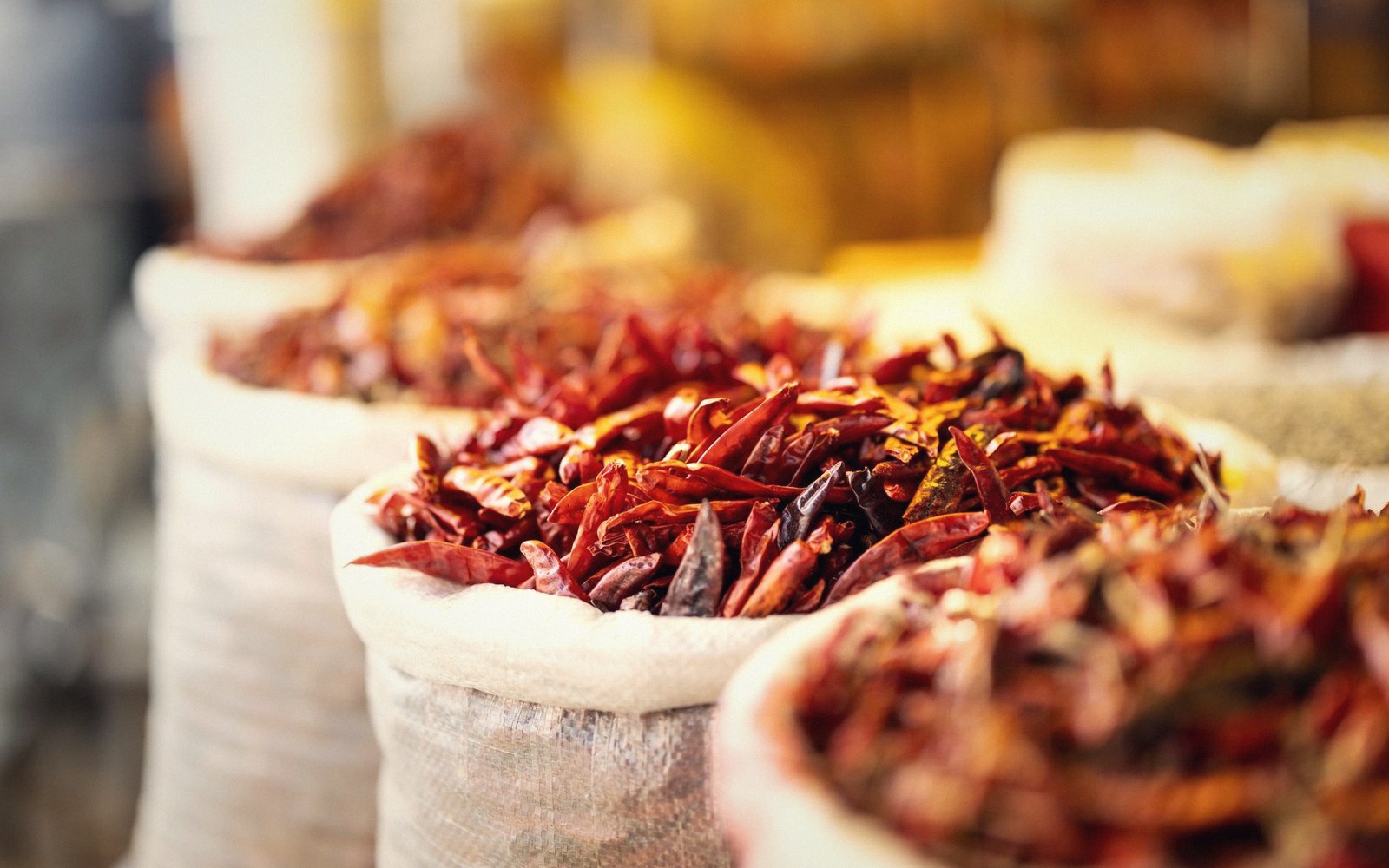
Madhya Pradesh — specifically the Khargone and Khandwa belt — and parts of Karnataka have grown significant chilli too, but Guntur's combination of soil, drainage and a reliable post-monsoon dry window has kept Andhra at the centre.
01Turmeric's preferred earth
Turmeric (Curcuma longa) is a rhizome, not a fruit, and it asks for something closer to the opposite of chilli country: heavy, well-watered loam that retains moisture through the growing season, followed by a dry period for harvest. The Erode district of Tamil Nadu became the dominant production zone during the twentieth century; Erode's turmeric market sets a reference price that growers across India — in Maharashtra's Sangli district, in Telangana, in Odisha — watch closely.
The pigment curcumin, which gives turmeric its yellow, is concentrated in the dried and cured rhizome. Fresh rhizomes are boiled or steamed after harvest, then sun-dried over several weeks before grinding. The proportion of curcumin in the dried powder determines quality grade and market price. Sangli in Maharashtra developed a reputation for a higher-curcumin product; Erode holds volume. Both regions grow what is botanically the same species, but soil mineral content and curing practice produce measurably different outputs.
Turmeric's role in Indian material culture runs far beyond cooking — it is a fixative in some traditional dyeing processes, a pigment in ritual use, and the subject of sustained pharmaceutical interest in curcumin extraction. It is, in every sense, a crop with multiple economies attached to it.
02Coriander's cool tolerance
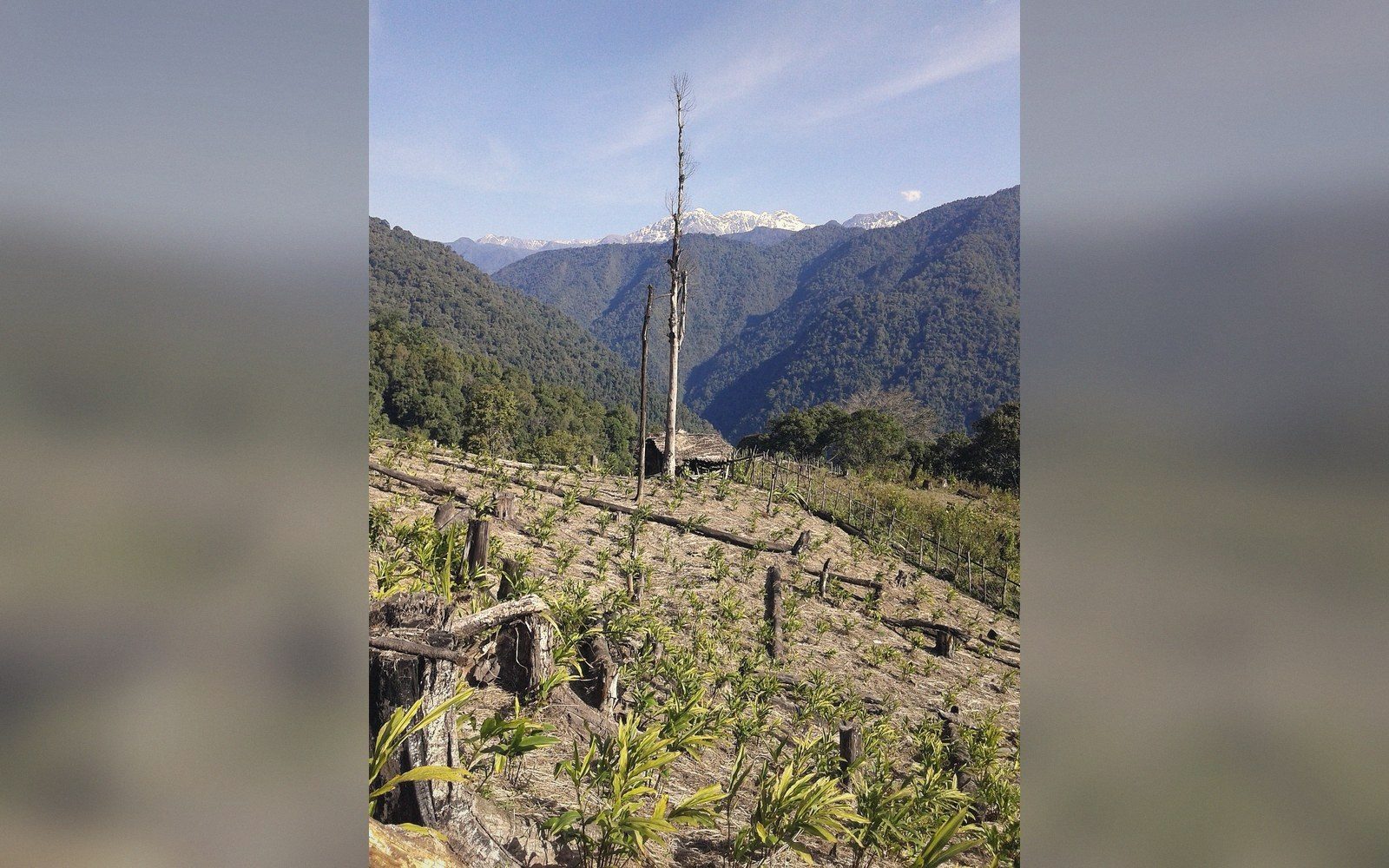
Coriander (Coriandrum sativum) is the one crop in this group that tolerates — in fact requires — a cooler, drier growing environment. It is a rabi crop, sown after the monsoon retreats, maturing through the mild winter months. Rajasthan, particularly the Kota and Baran districts, and Madhya Pradesh together account for the bulk of India's coriander seed production. The plant dislikes humidity and standing water; its volatile oil content, which carries the characteristic bright, citrus-edged aroma, is highest when the seed matures slowly in dry, cool air.
The seed and the fresh leaf are agriculturally the same plant but commercially distinct products from different growing strategies. Leaf coriander is grown fast, cut young, and produced close to cities. Seed coriander is grown for the slow-dried fruit, which loses its volatile oils quickly once ground and is therefore typically traded and stored whole. Rajasthan's dry winters and thin soils are precisely suited to seed production; the low humidity during ripening means lower fungal risk and better oil retention.
Chilli, turmeric and coriander are the clearest illustration of this.
What connects chilli, turmeric and coriander across their separate ecologies is not climate similarity but market structure: all three move through large regional yards — Guntur, Erode, Kota — that set grading standards and prices for the national trade. The spice shelf reflects those local soils. The uniformity is in the economy, not the earth.